Alienation in the Urban Landscape
The modern city is rarely just concrete and steel.Instead, it becomes a mirror for the quiet emotional distance that grows between us and our surroundings.
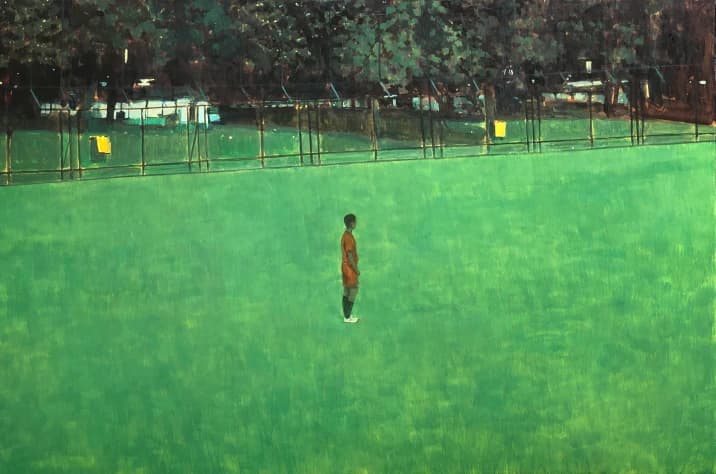
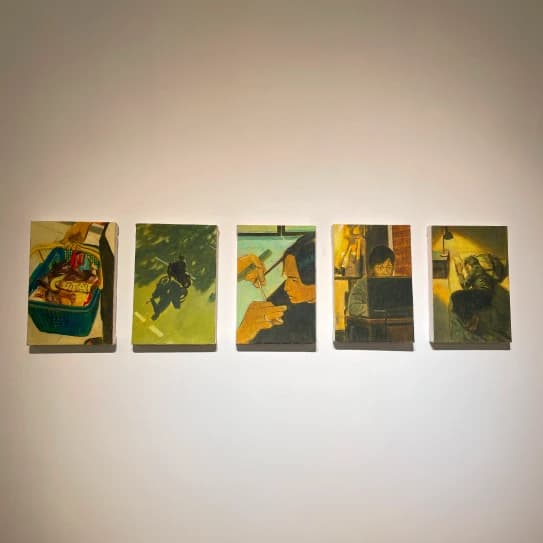
These series explore the experience of alienation witahin the contemporary urban landscape.
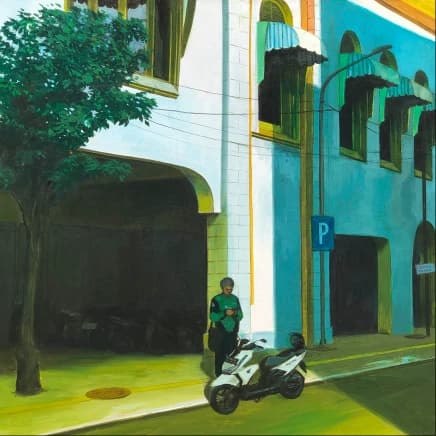
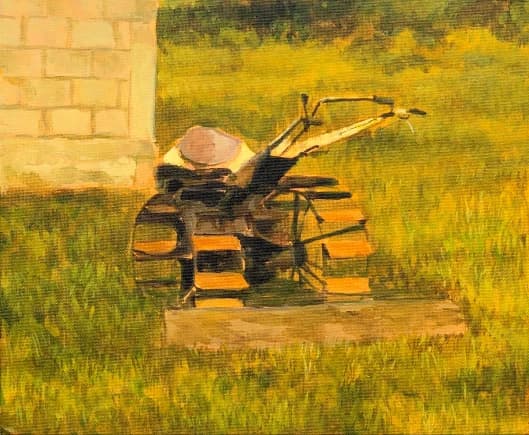
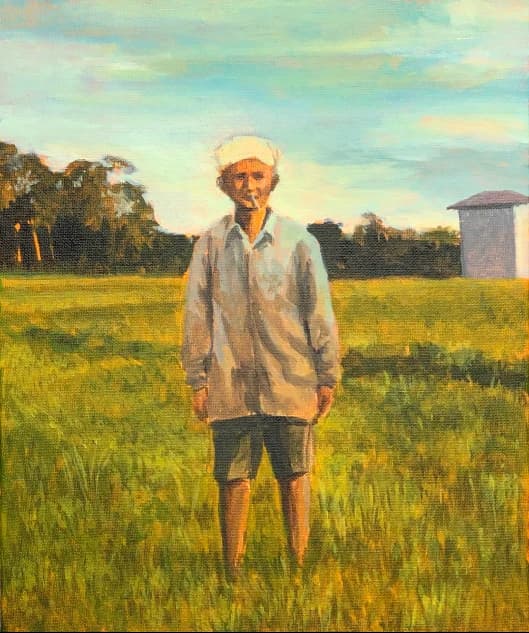
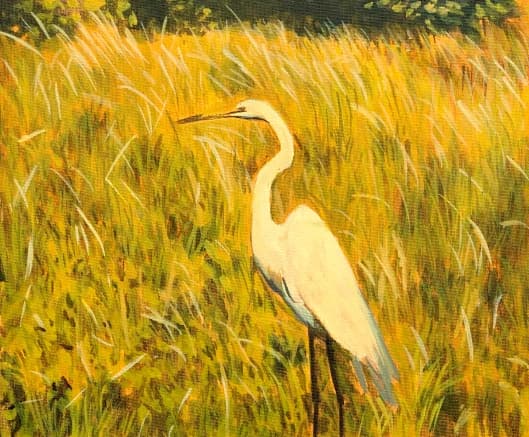
The city is presented not only as a physical space, but also as a reflection of the psychological distancae that can emerge between individuals and their surroundings.
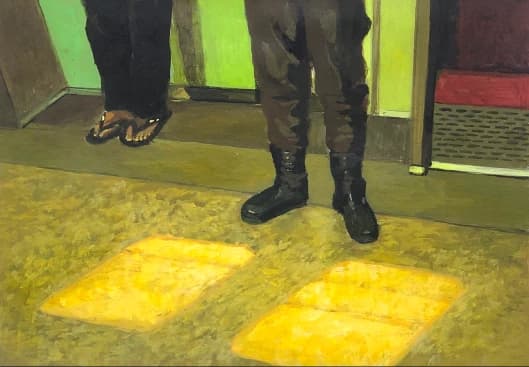
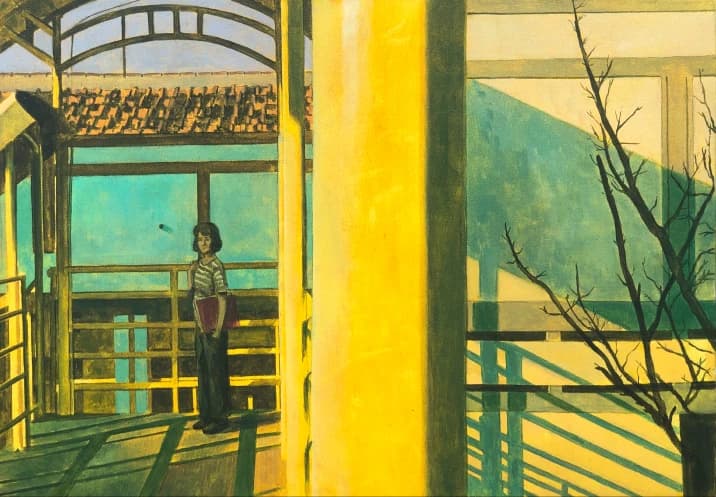
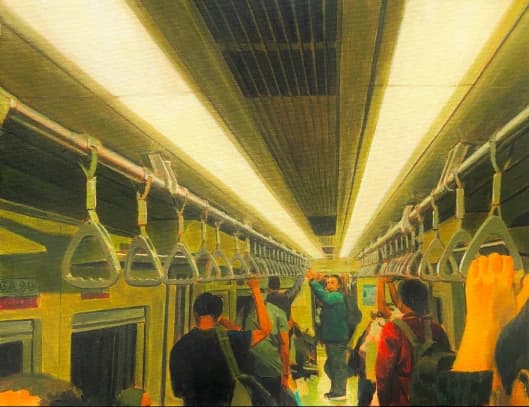
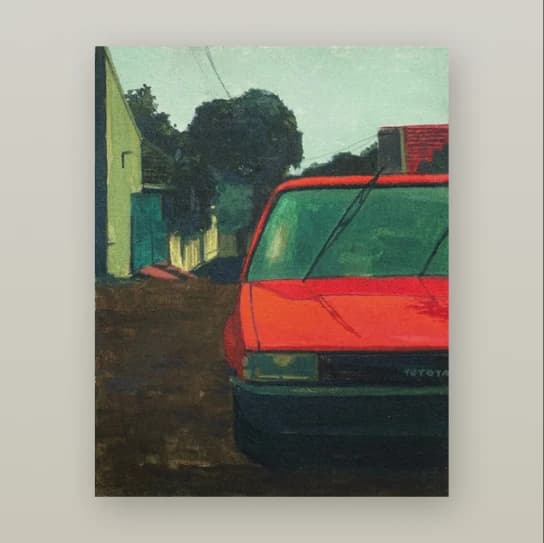
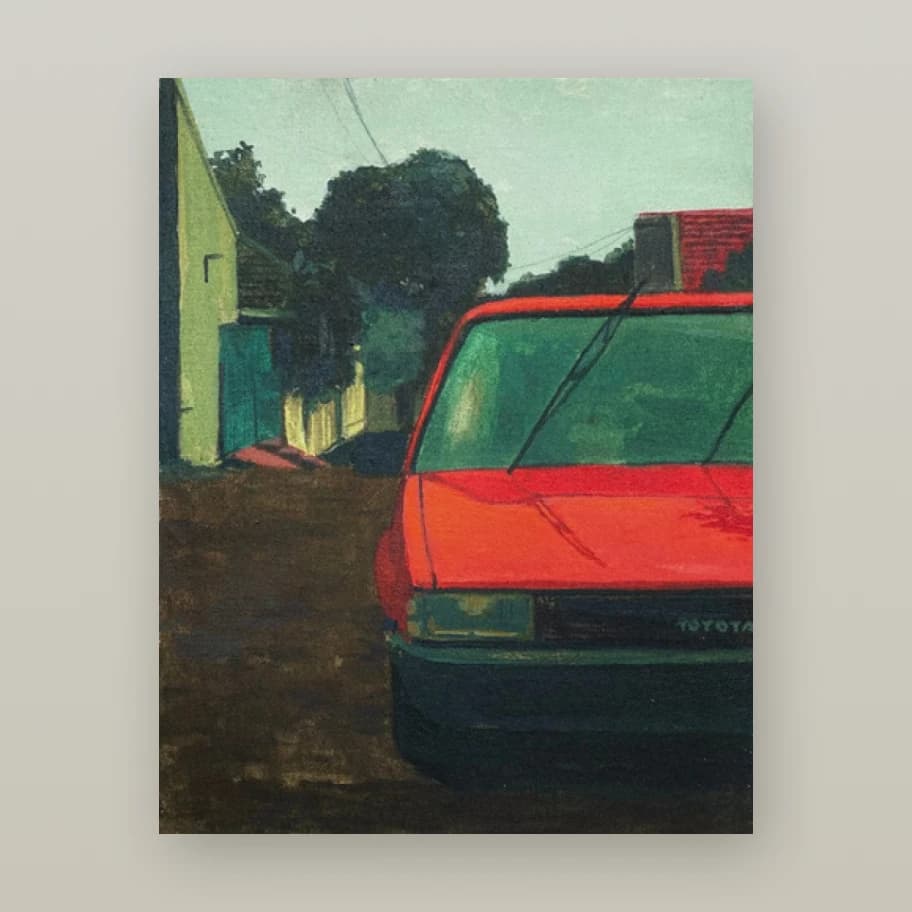
Through urban structures, crowded spaces, empty streets, and fragmented human presence, the works examine the contrast between proximity and disconnection.
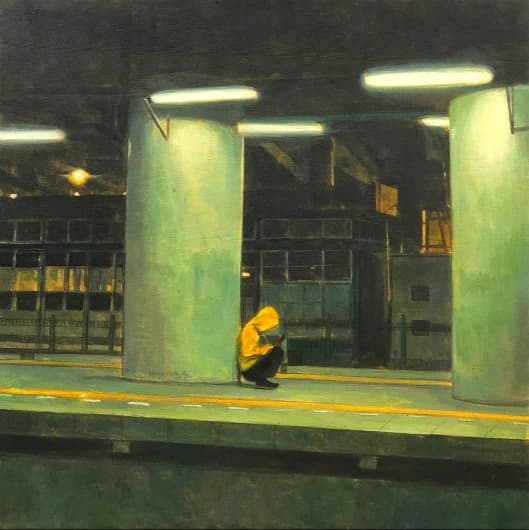
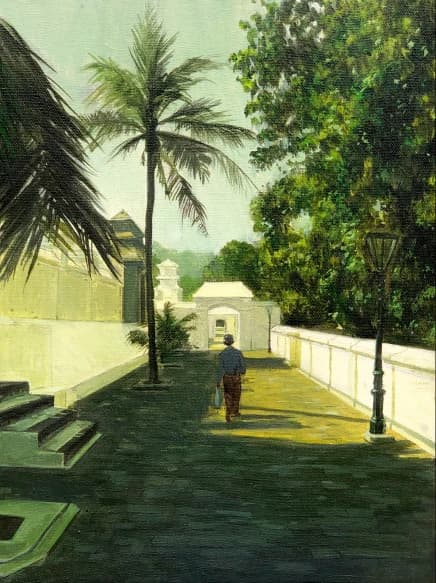
People may share the same streets, buildings, and public spaces, yet remain emotionally distant from one another.
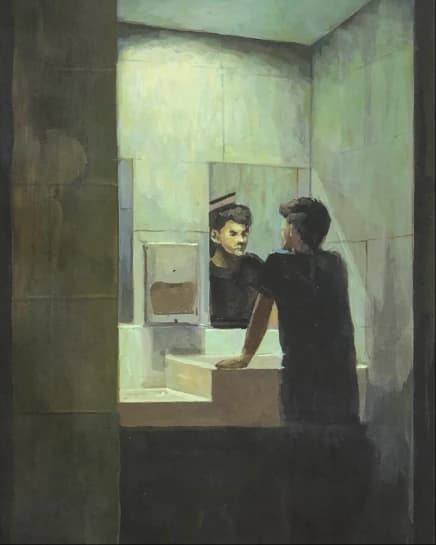
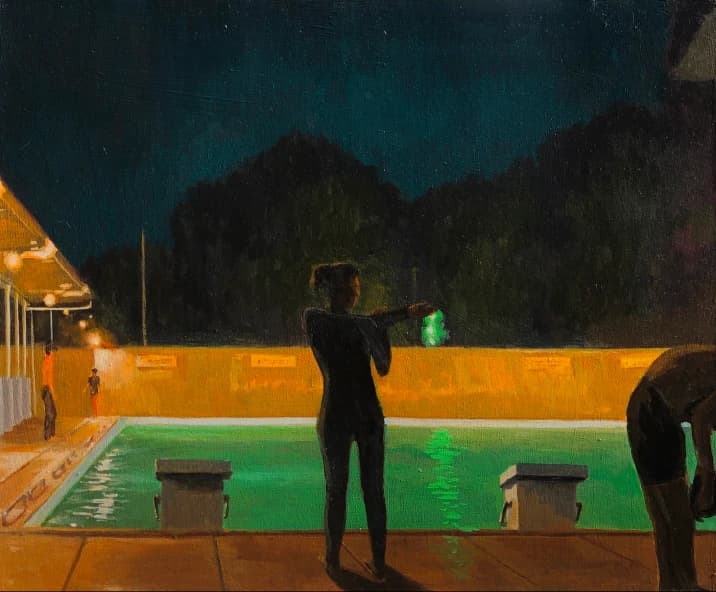
The series reflects on how rapid urbanization, repetitive activity, and the rhythm of modern life can create a sense of anonymity and isolation.
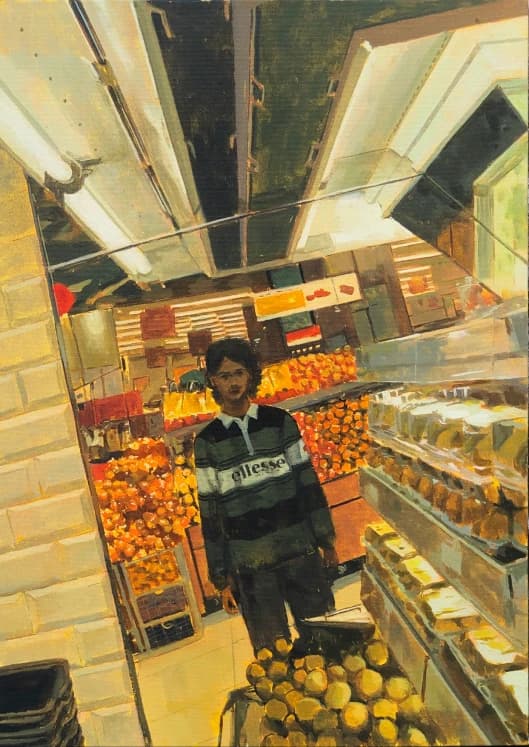
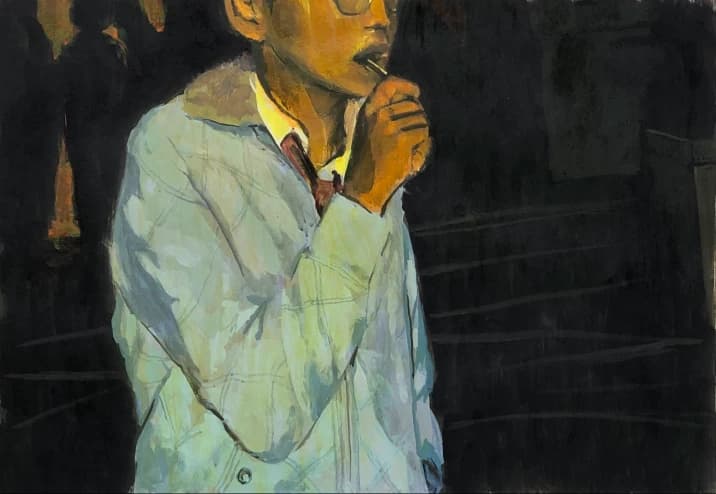
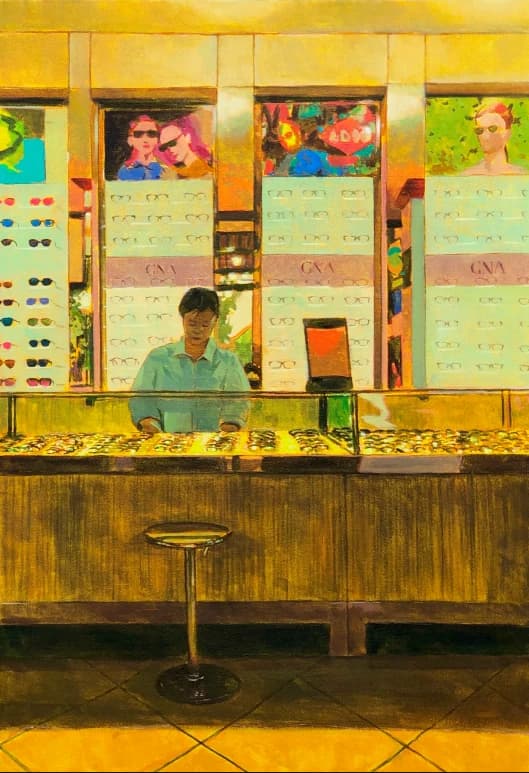
Amid the density of the city, moments of solitude become increasingly visible.
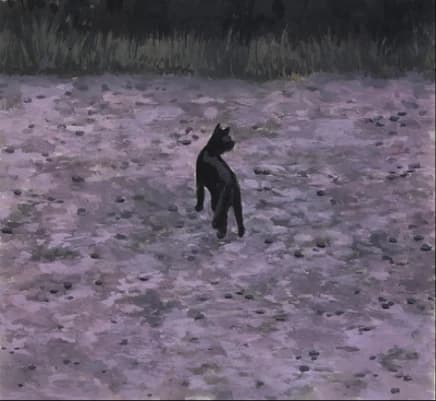
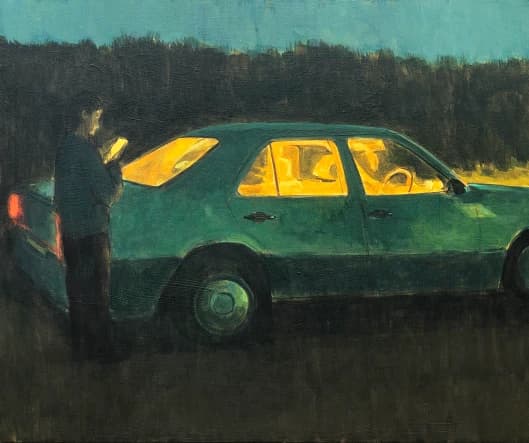
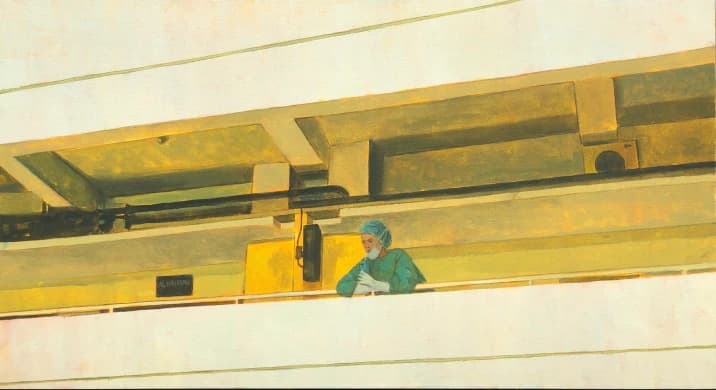
Alienation in the Urban Landscape
The modern city is rarely just concrete and steel.Instead, it becomes a mirror for the quiet emotional distance that grows between us and our surroundings.
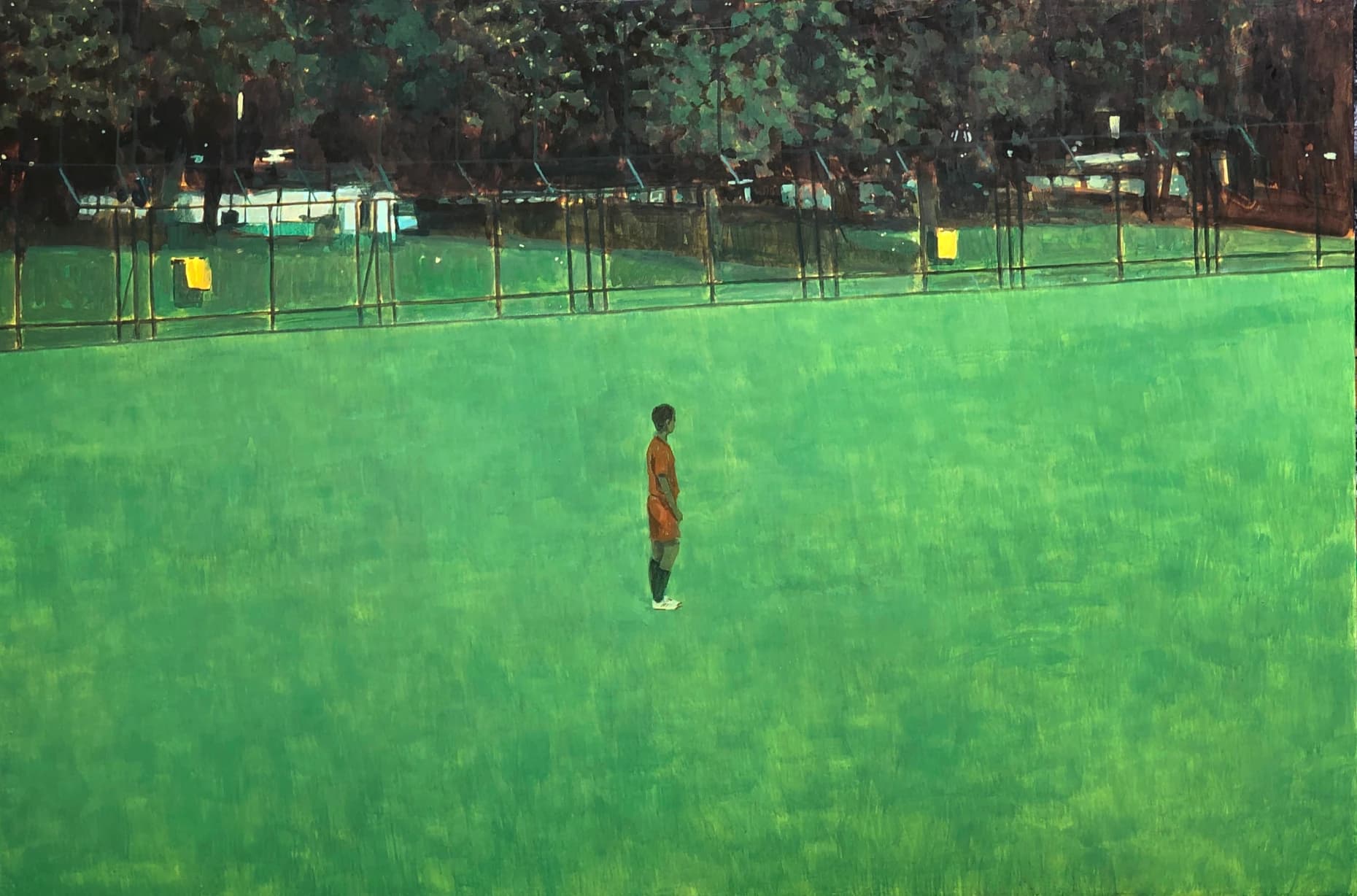
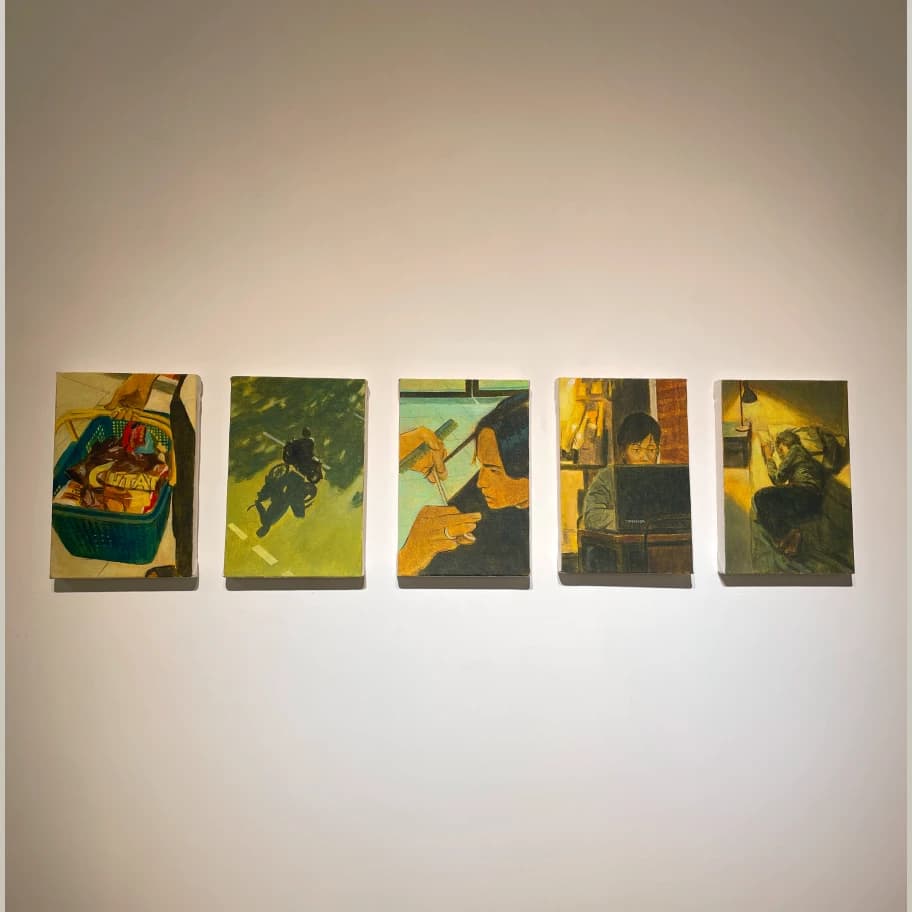
These series explore the experience of alienation witahin the contemporary urban landscape.
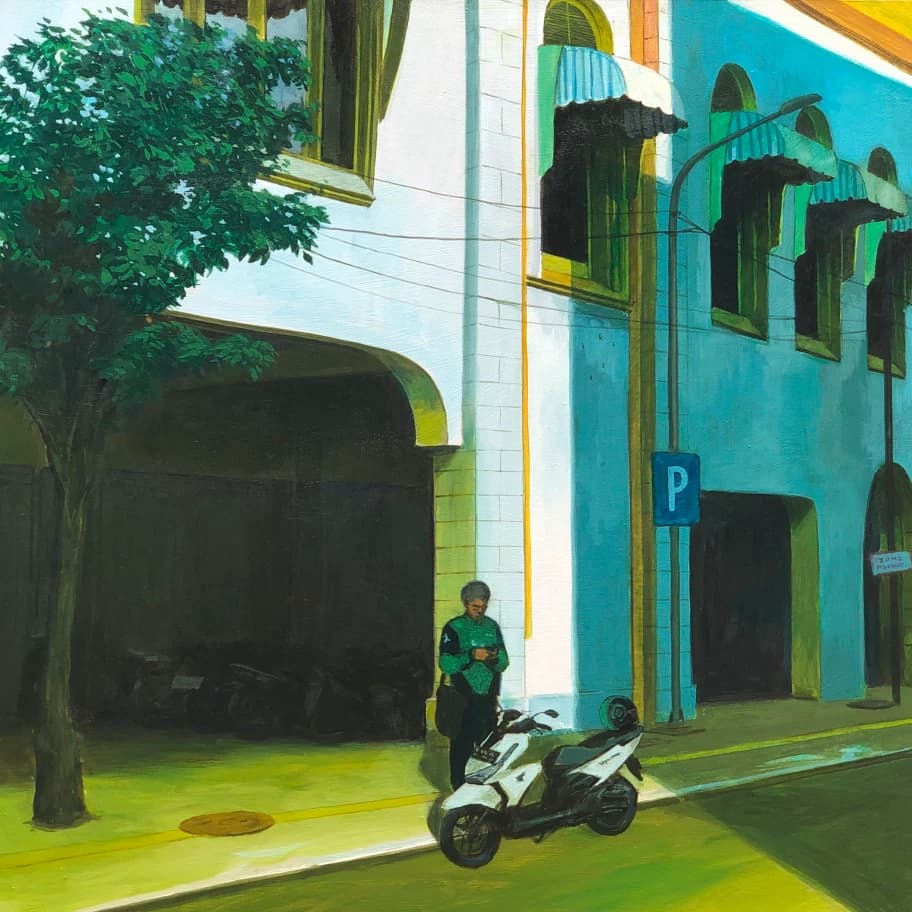
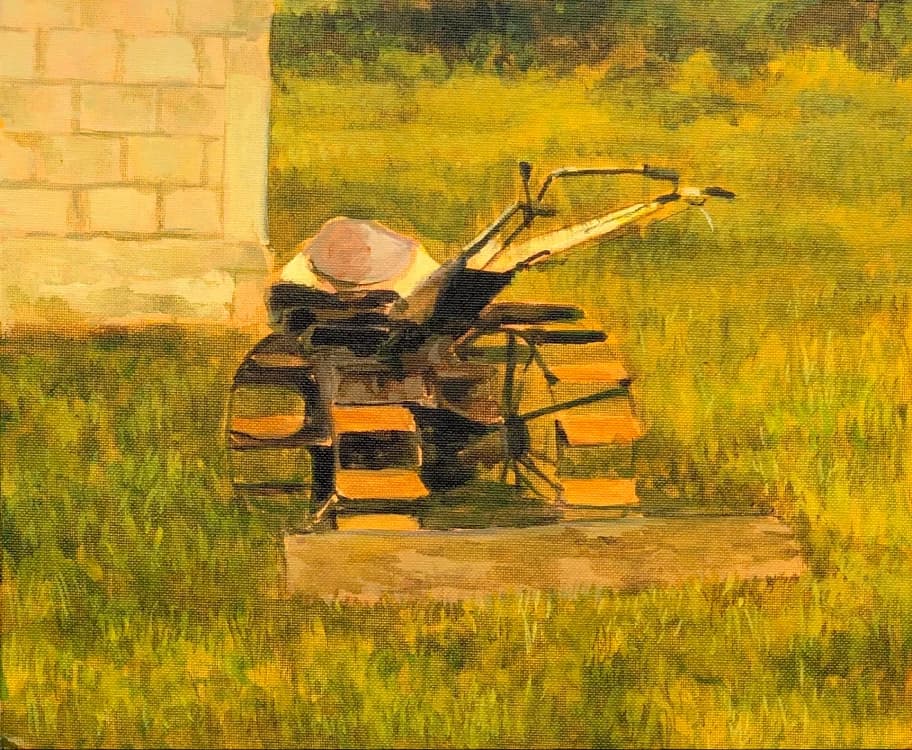
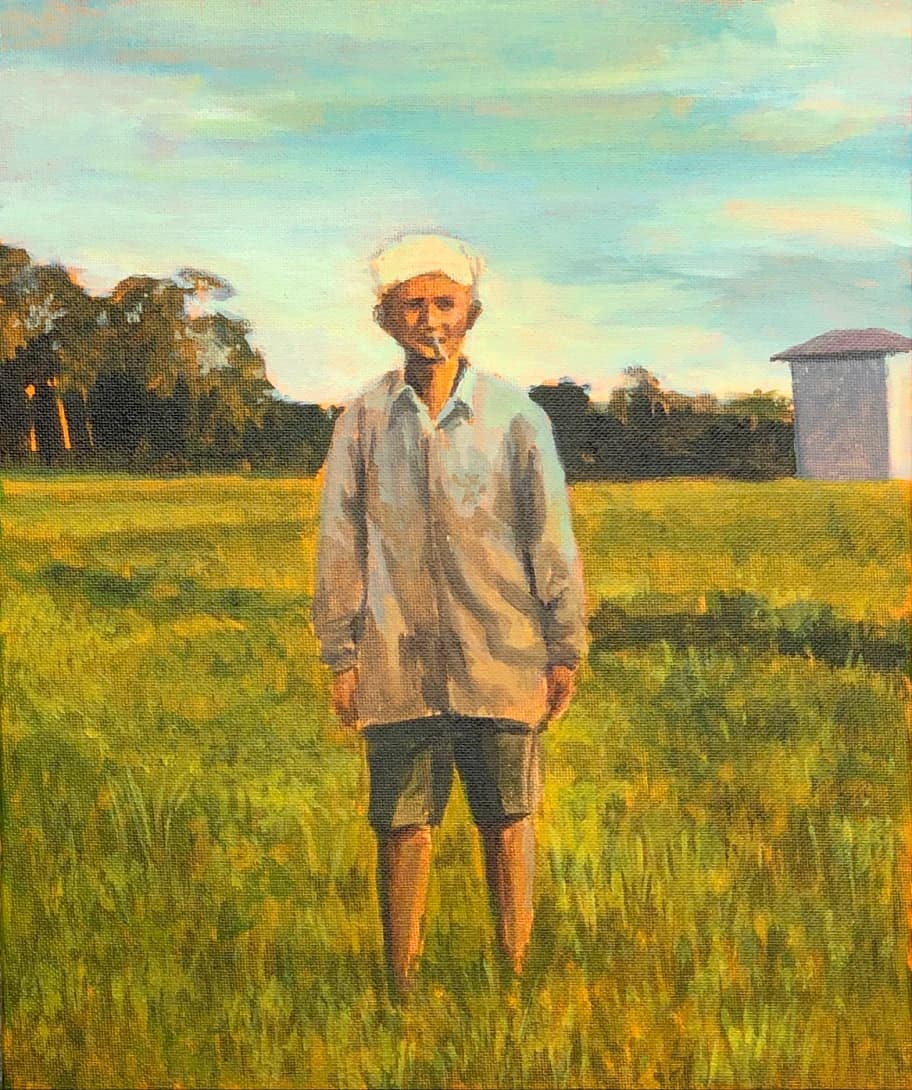
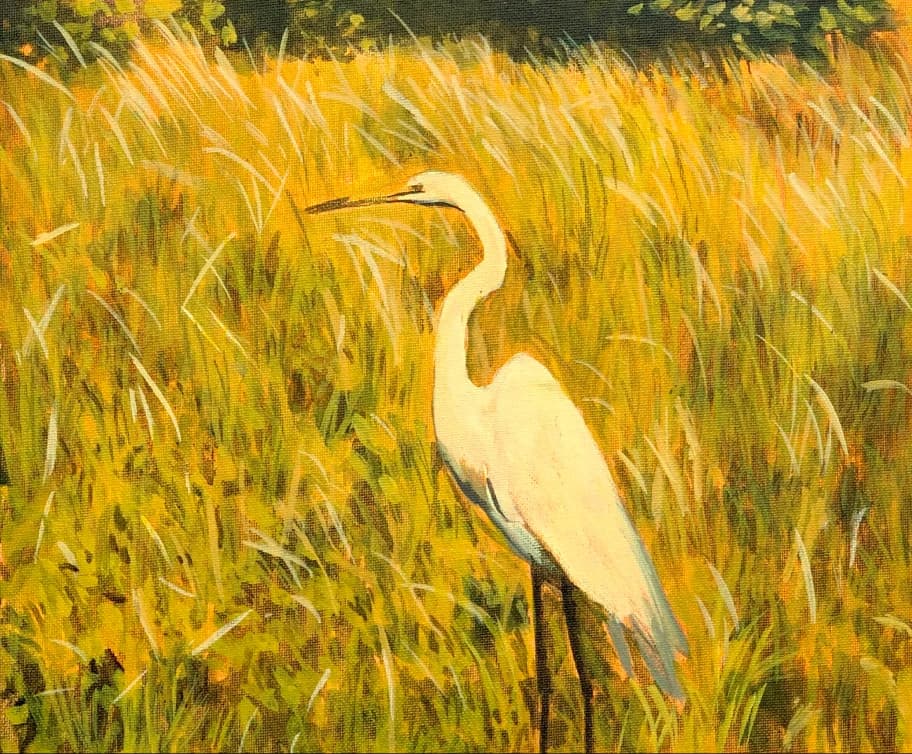
The city is presented not only as a physical space, but also as a reflection of the psychological distancae that can emerge between individuals and their surroundings.
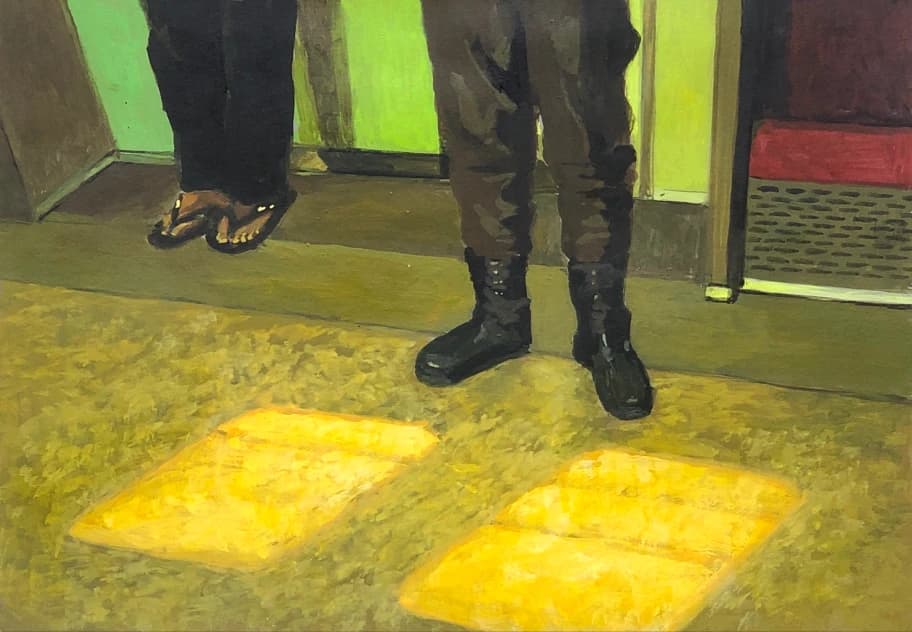
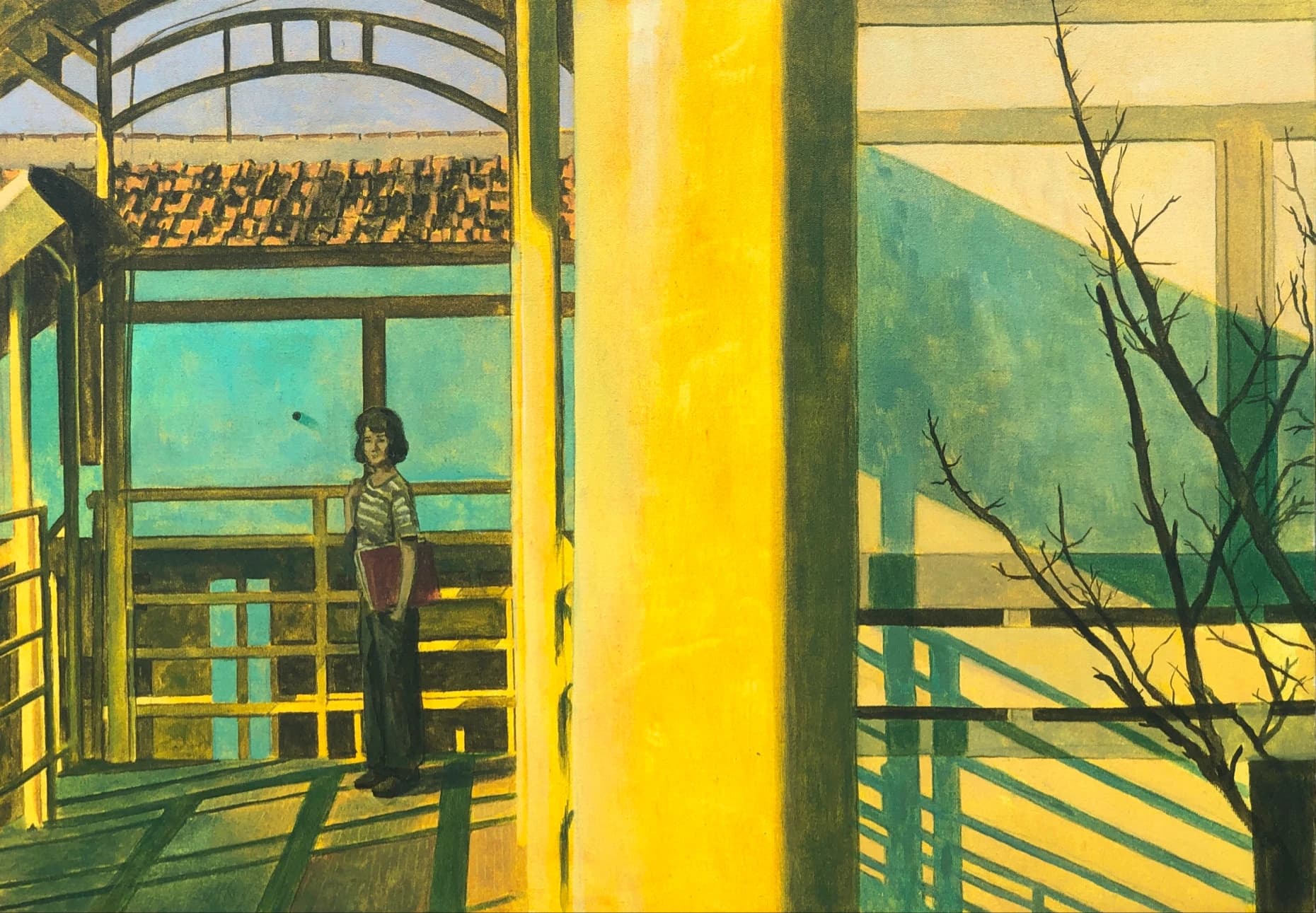
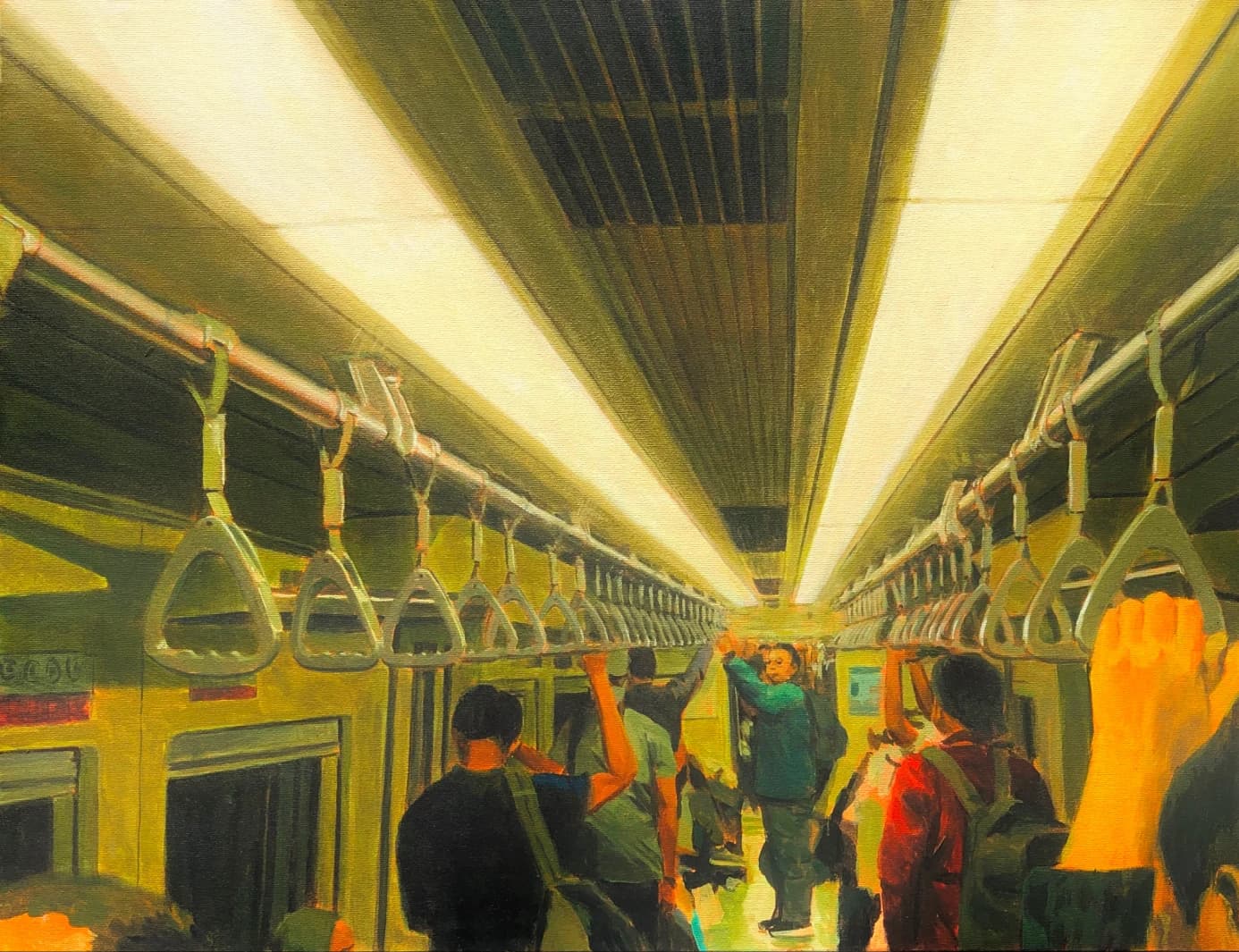
Through urban structures, crowded spaces, empty streets, and fragmented human presence, the works examine the contrast between proximity and disconnection.
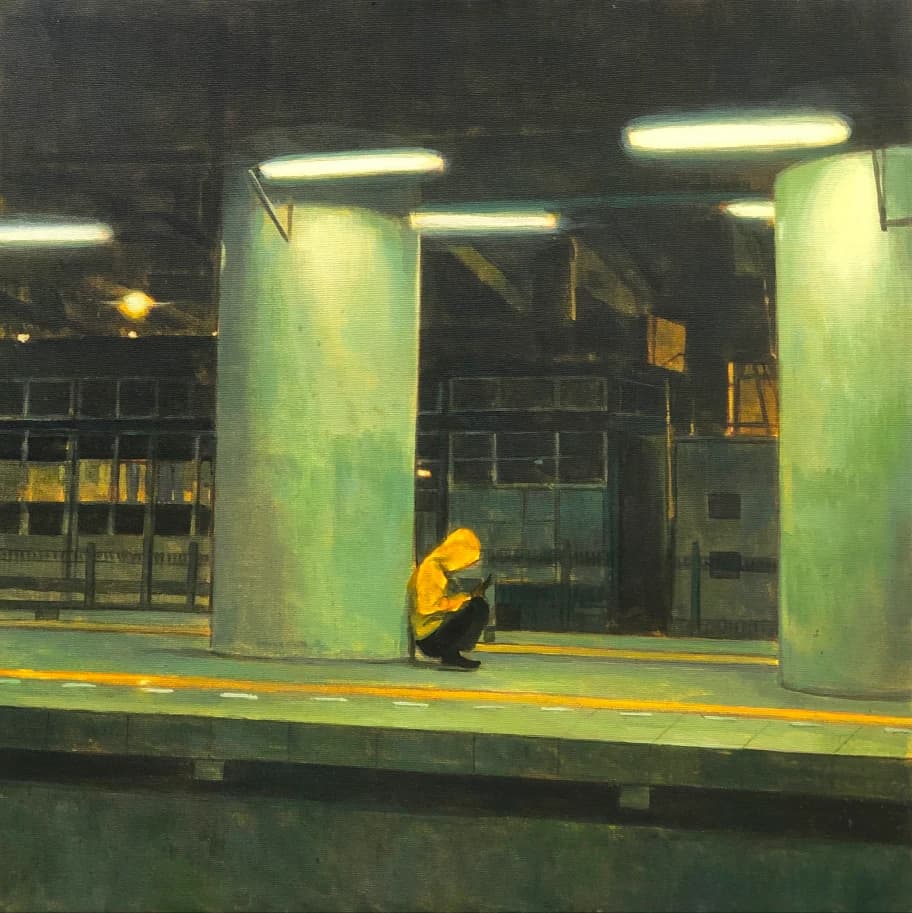
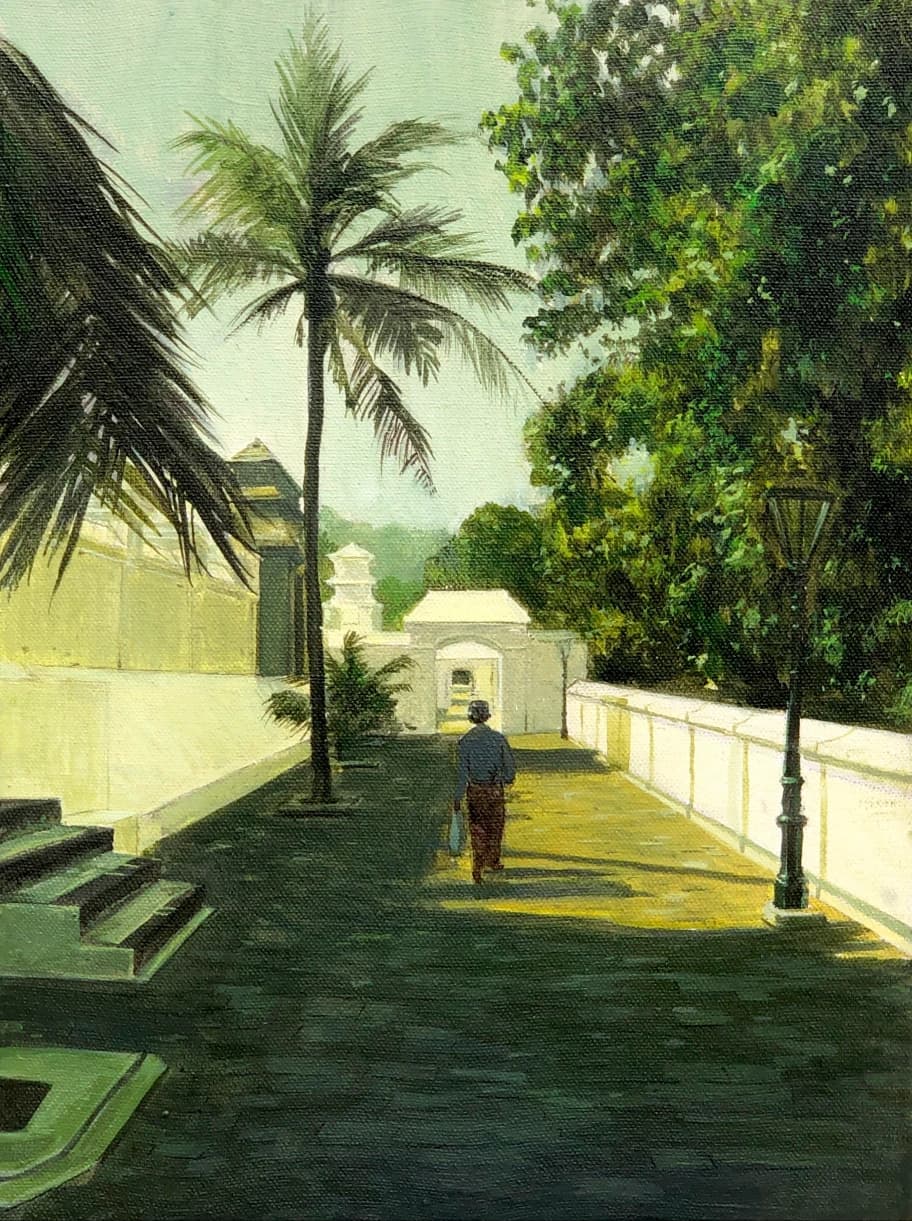
People may share the same streets, buildings, and public spaces, yet remain emotionally distant from one another.
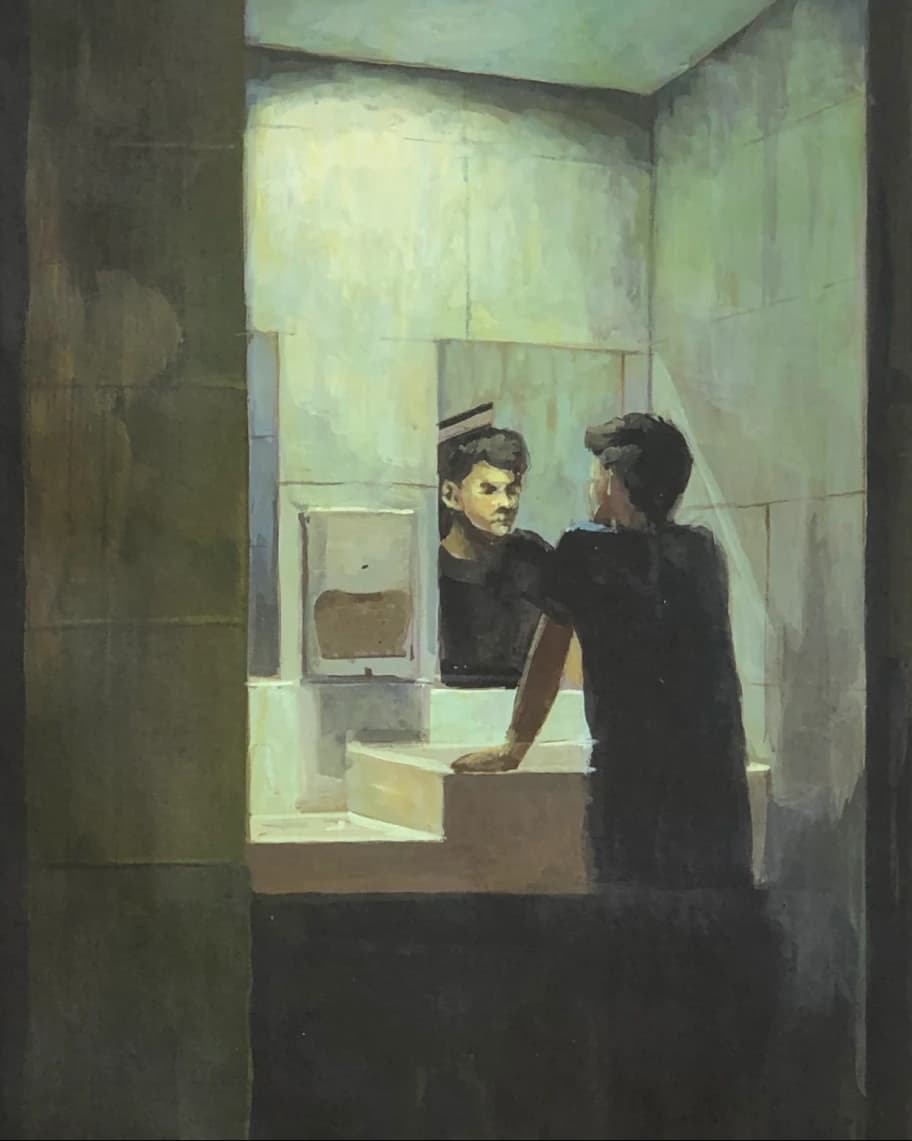
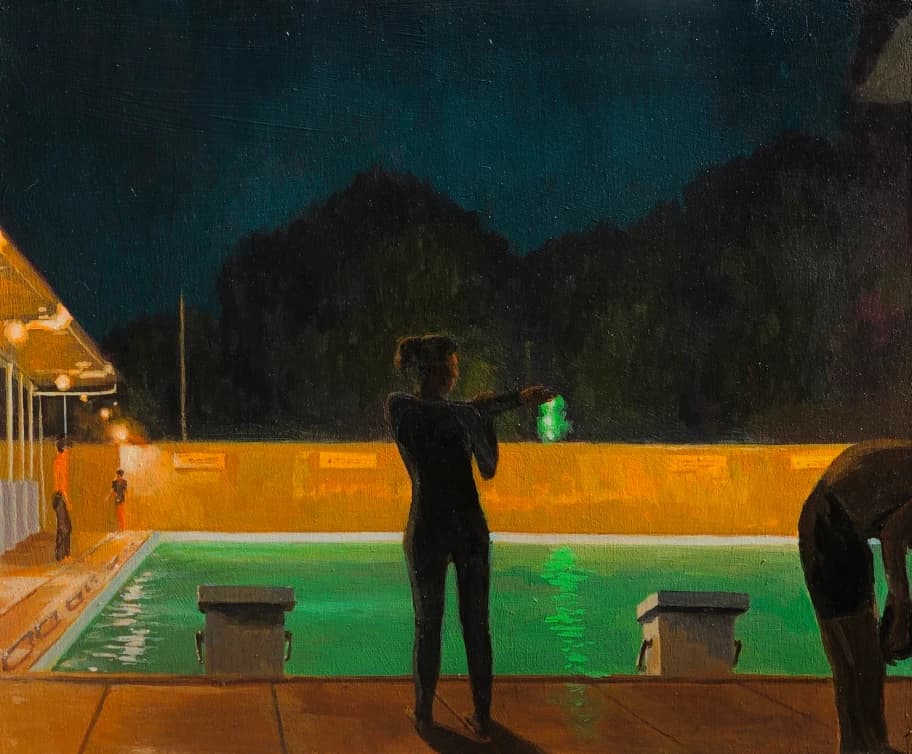
The series reflects on how rapid urbanization, repetitive activity, and the rhythm of modern life can create a sense of anonymity and isolation.
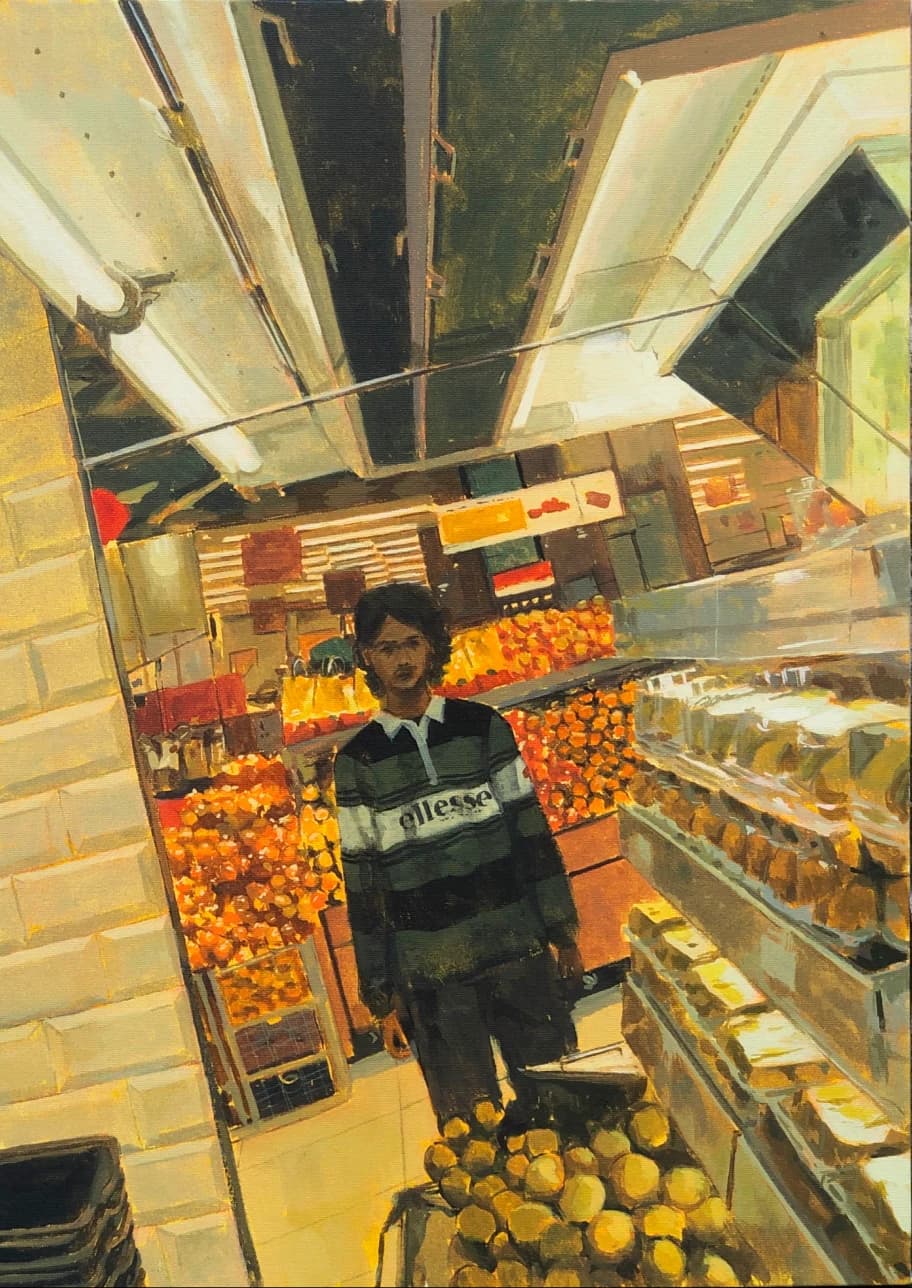
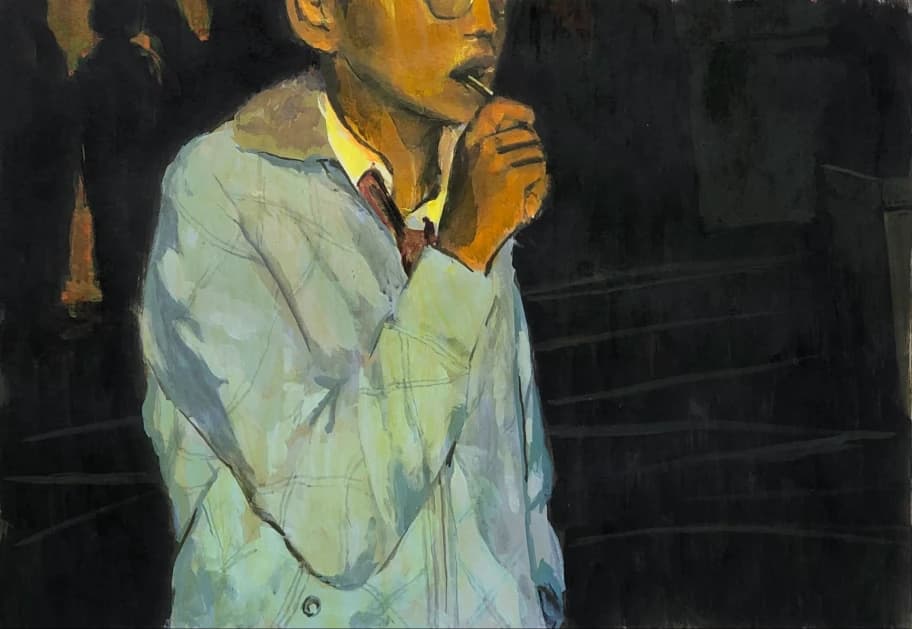
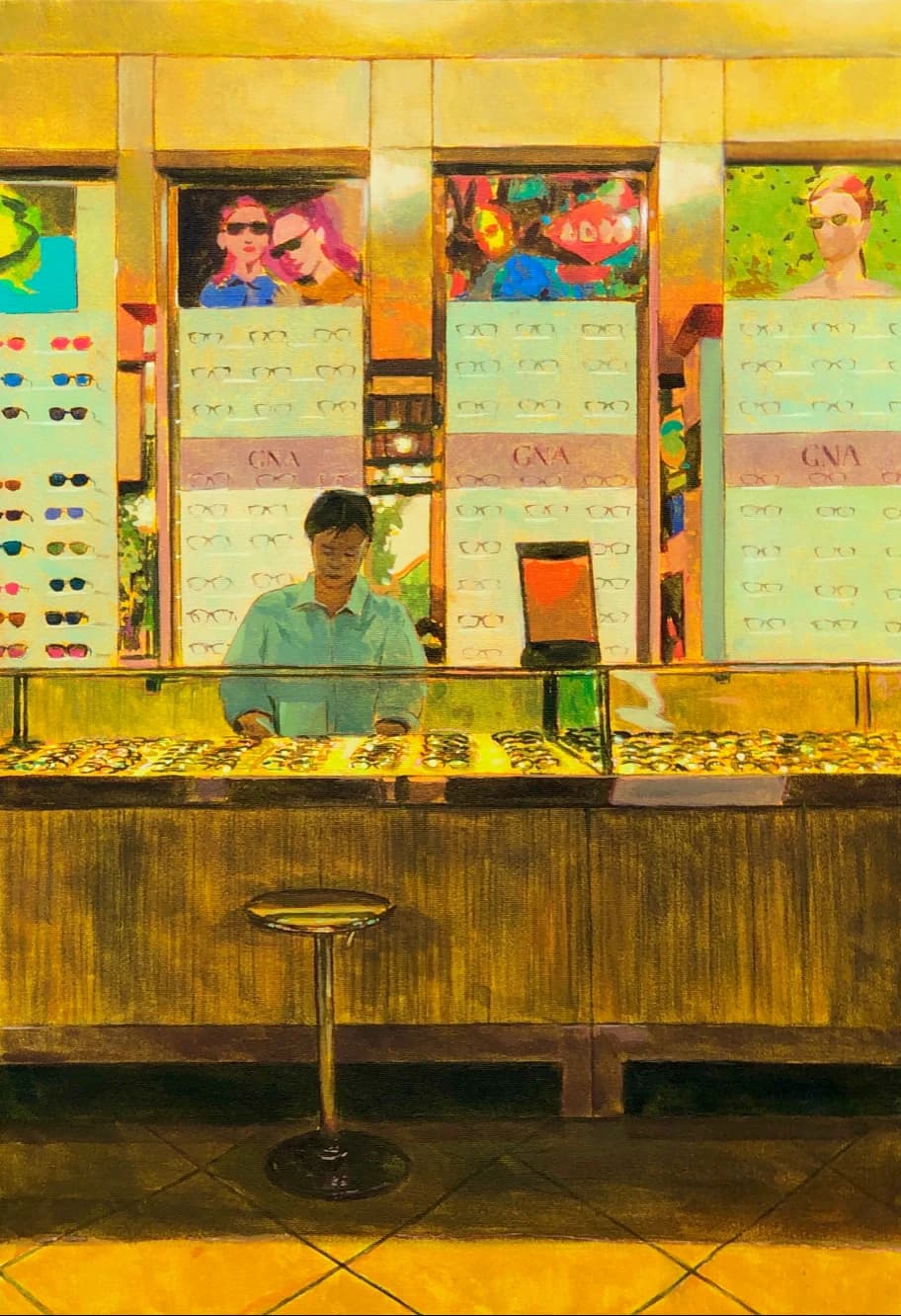
Amid the density of the city, moments of solitude become increasingly visible.
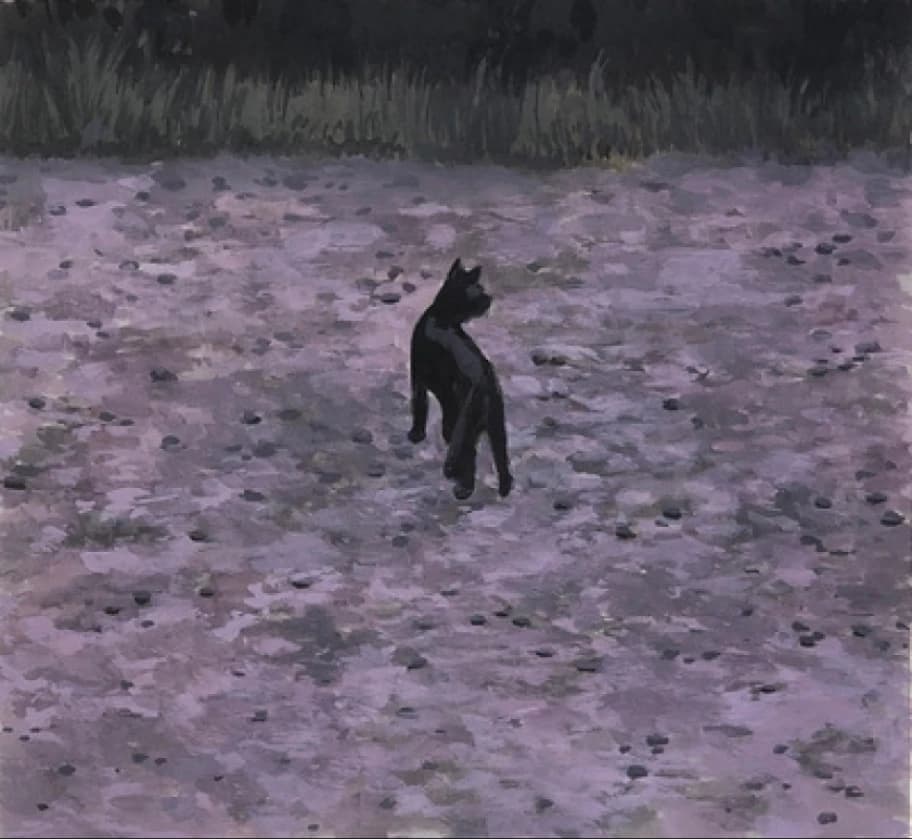
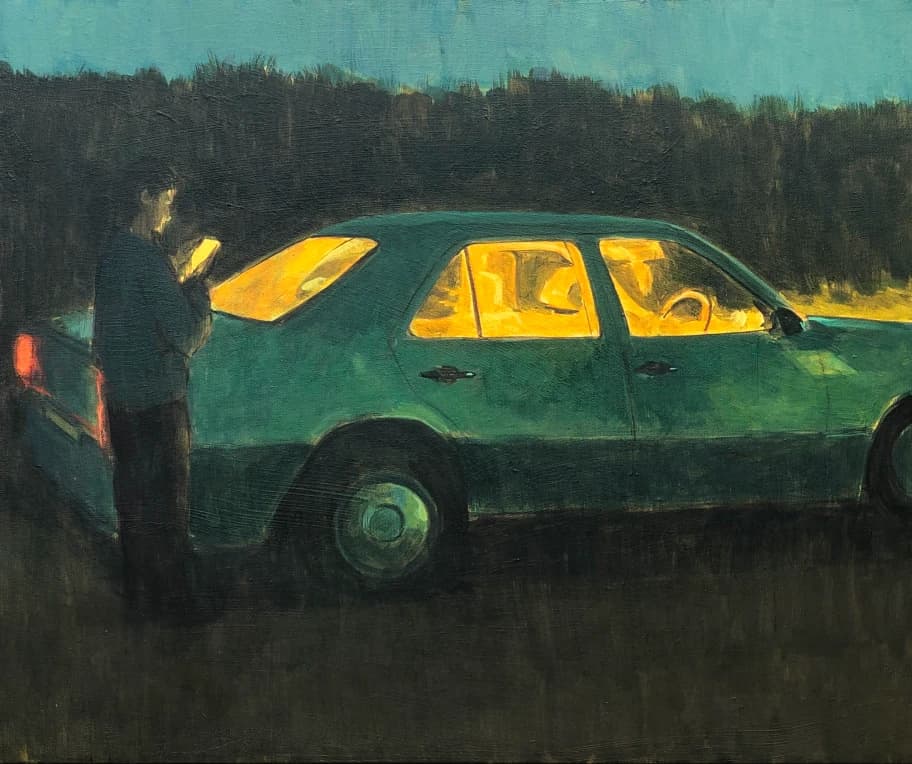
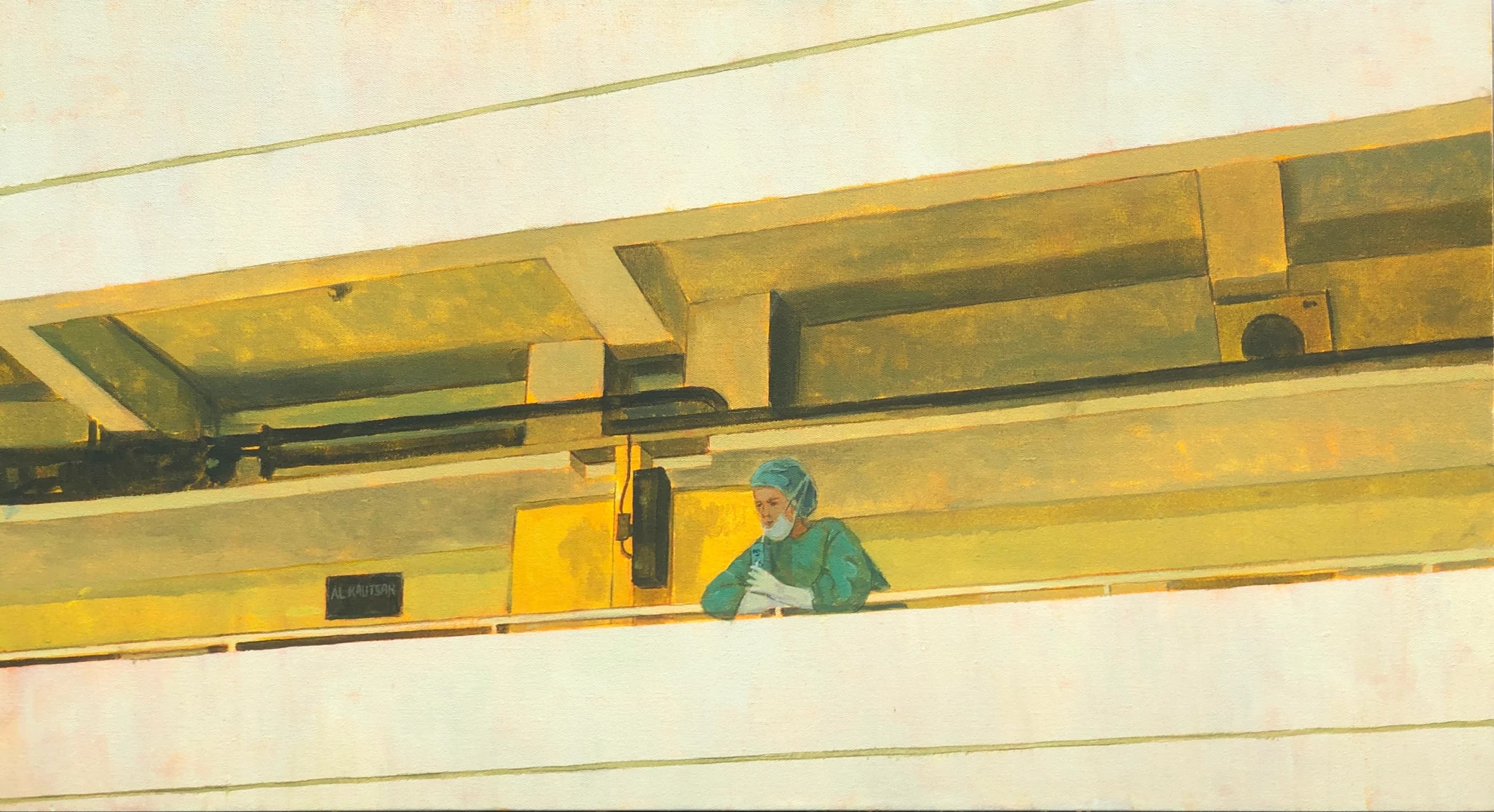
The absence or subtle presence of human figures becomes a way to question our relationship with the spaces we inhabit.