Gallery
[01]
[↓]
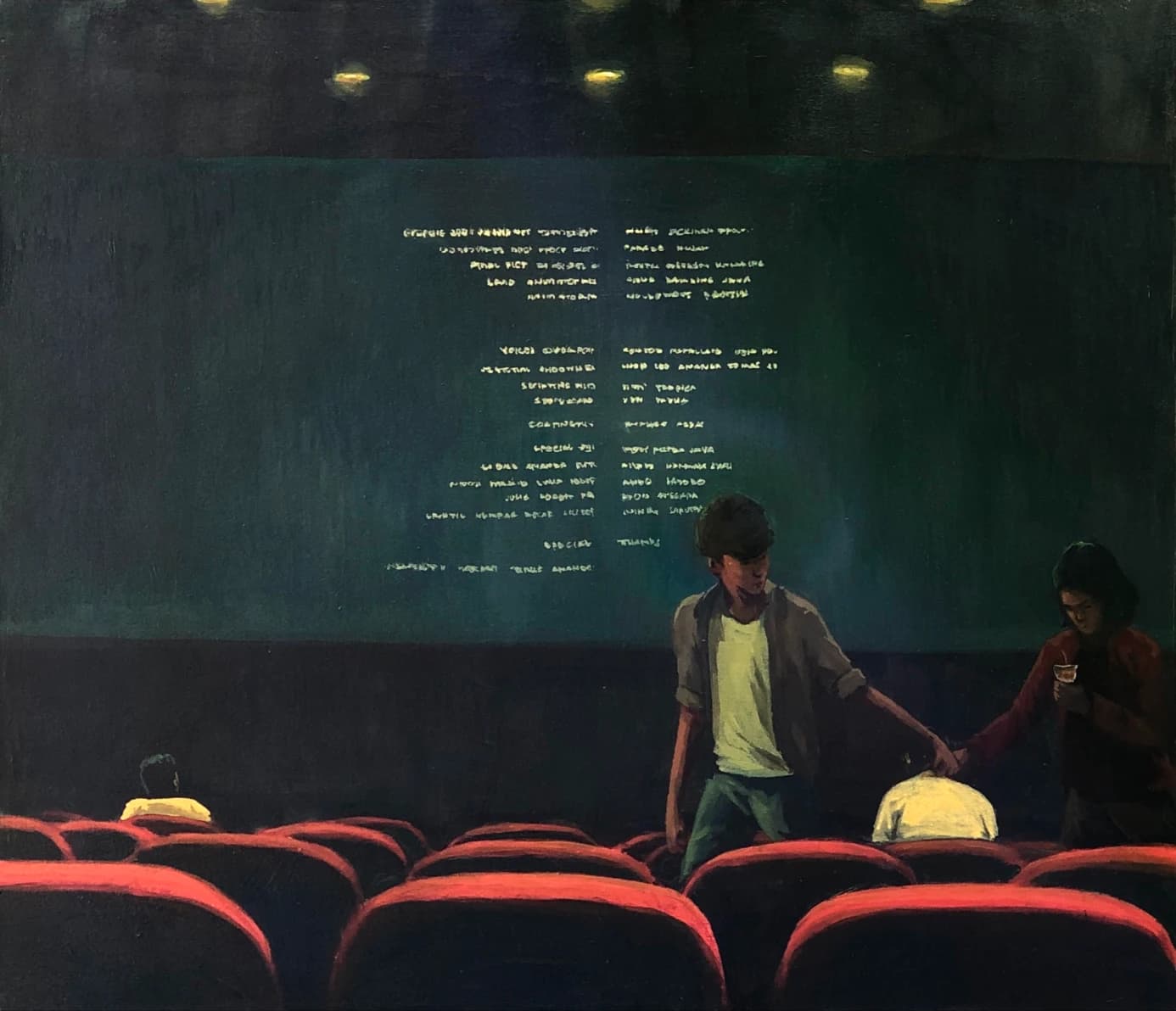
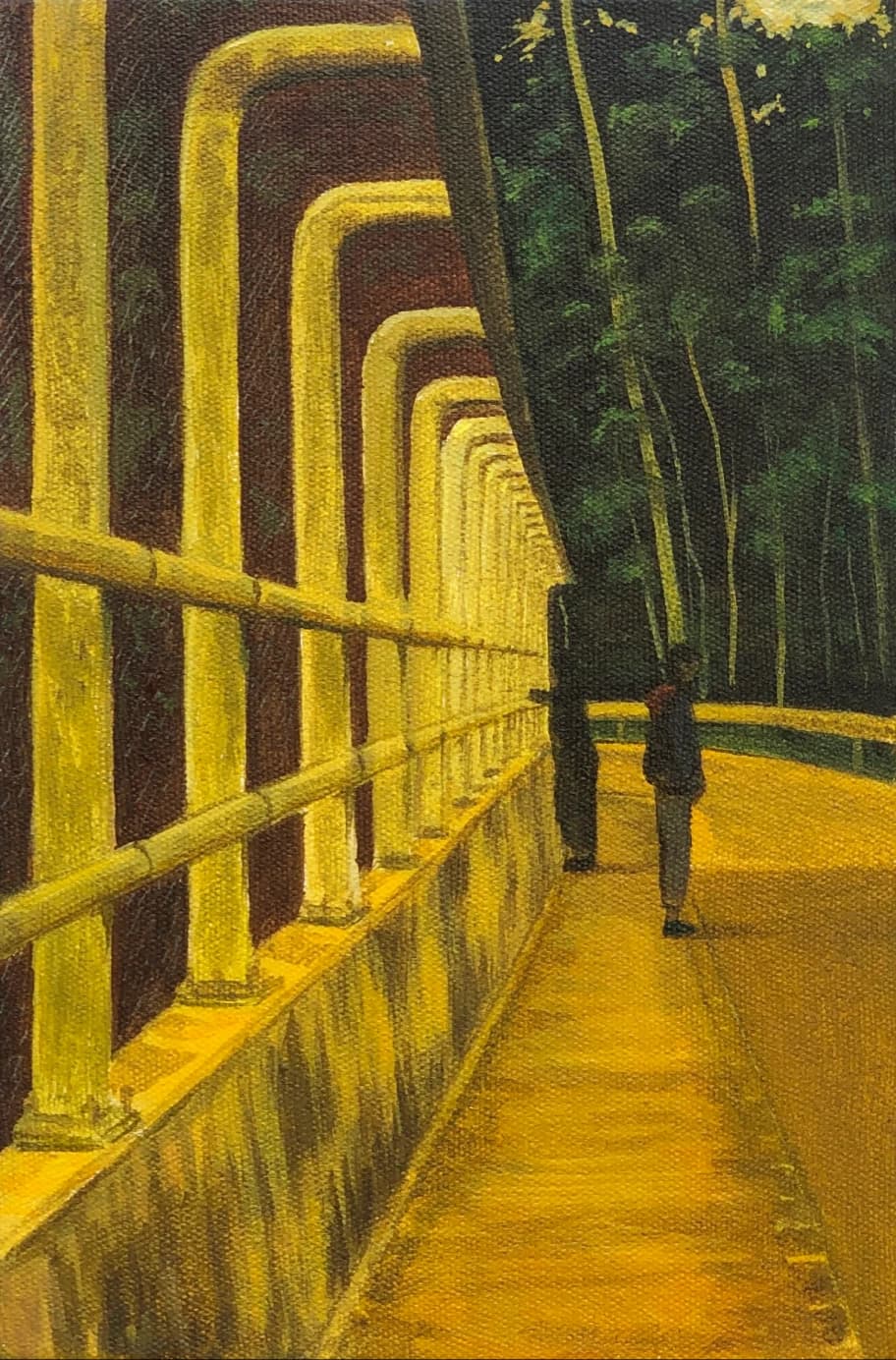
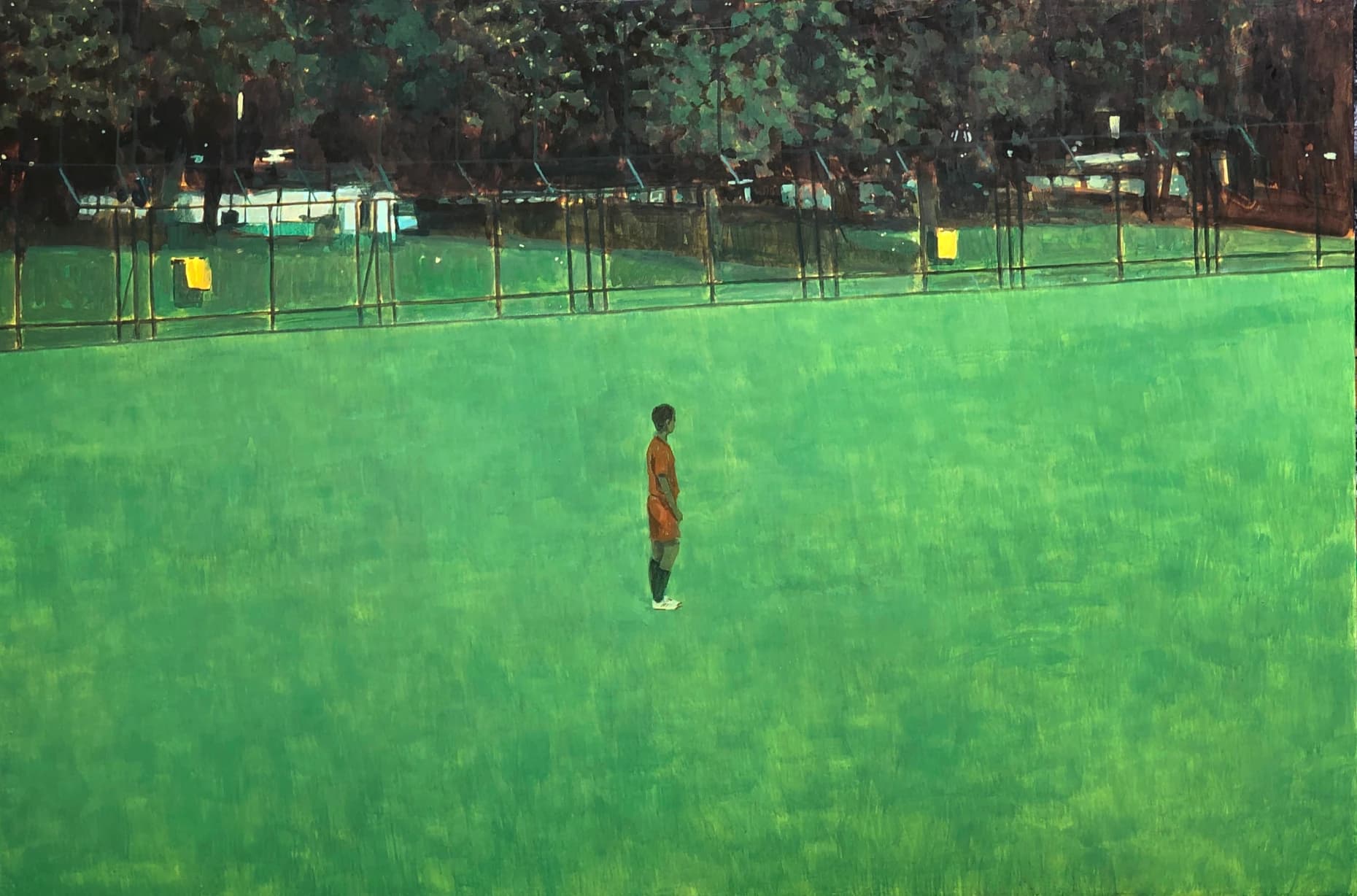
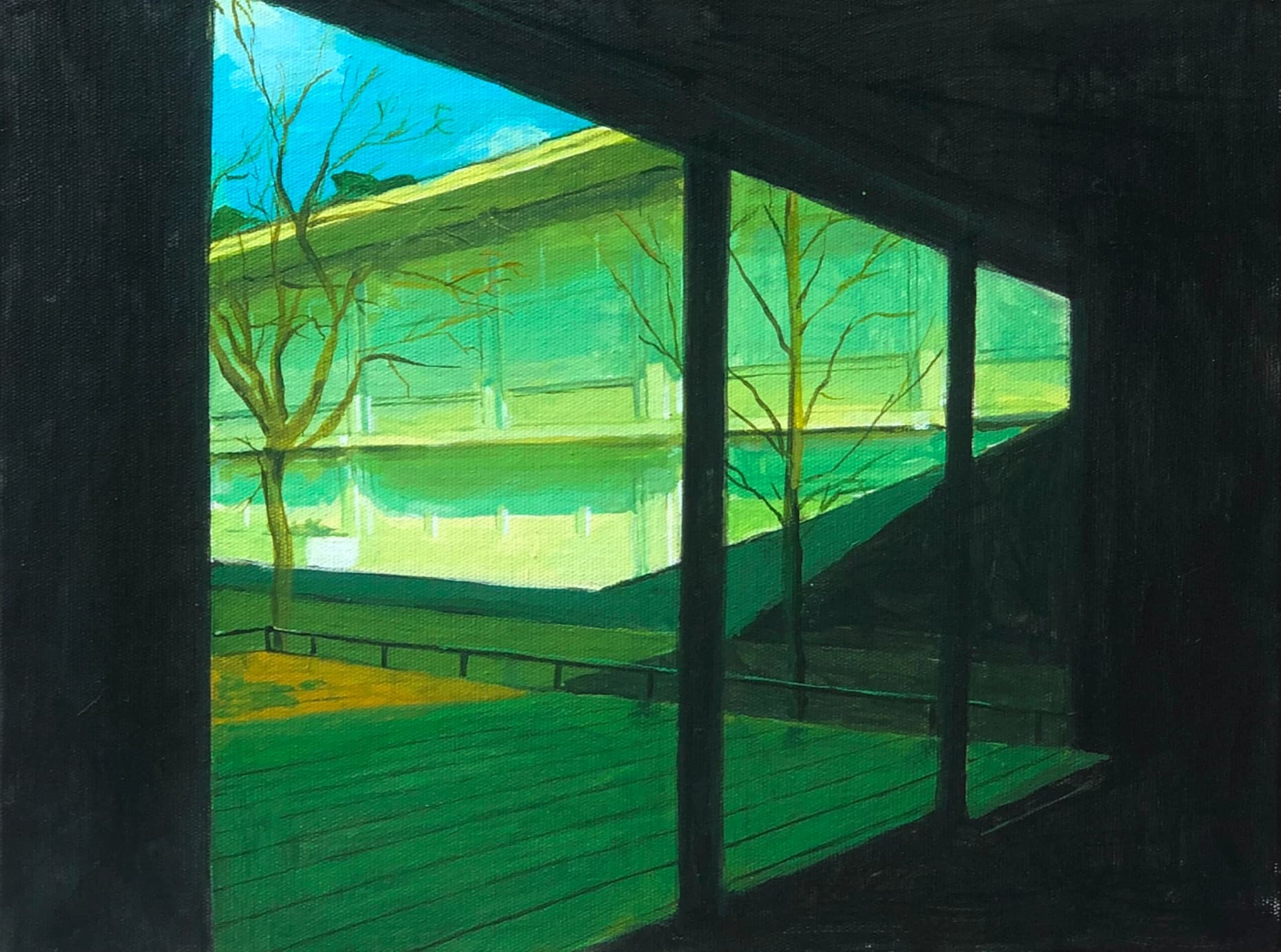
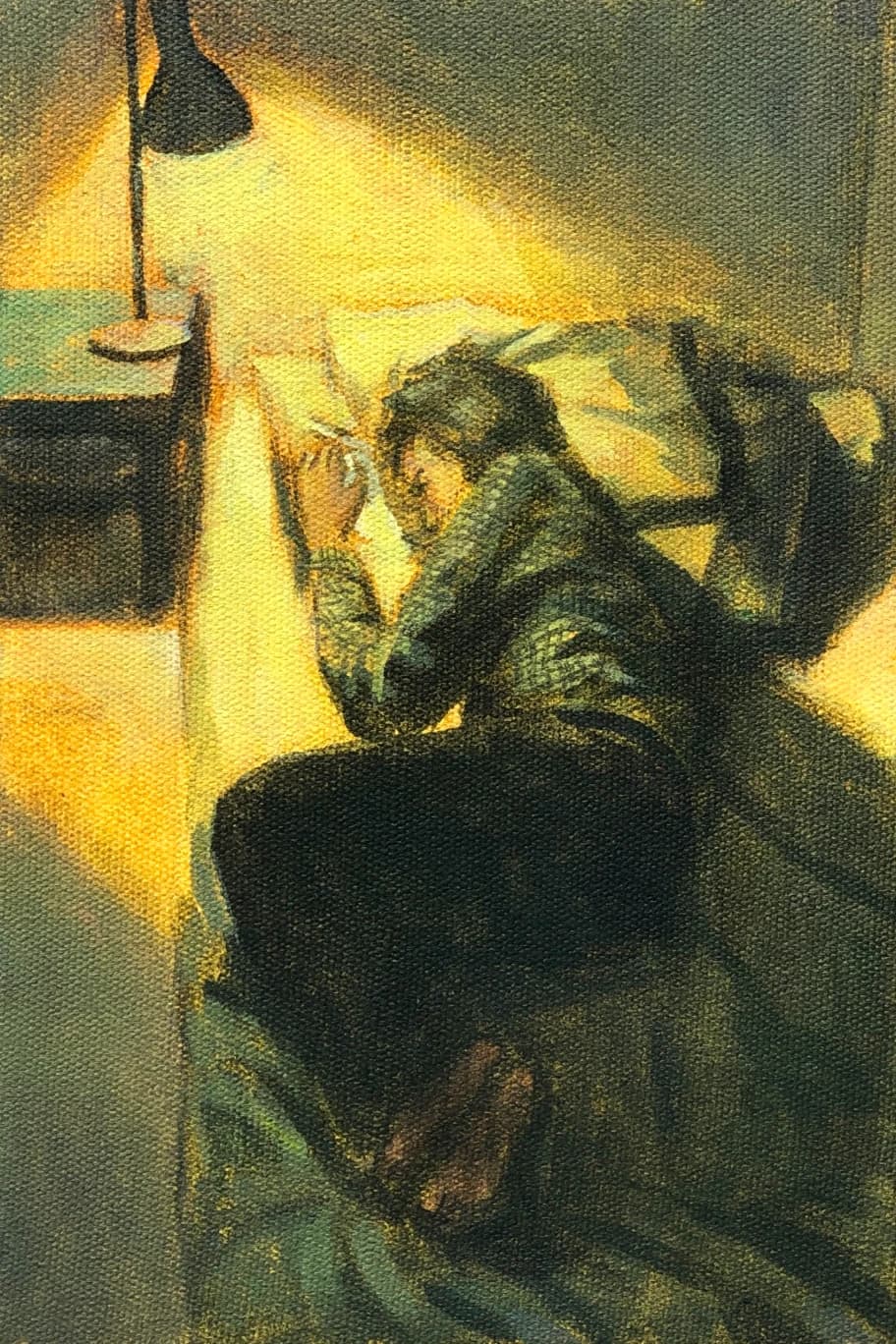
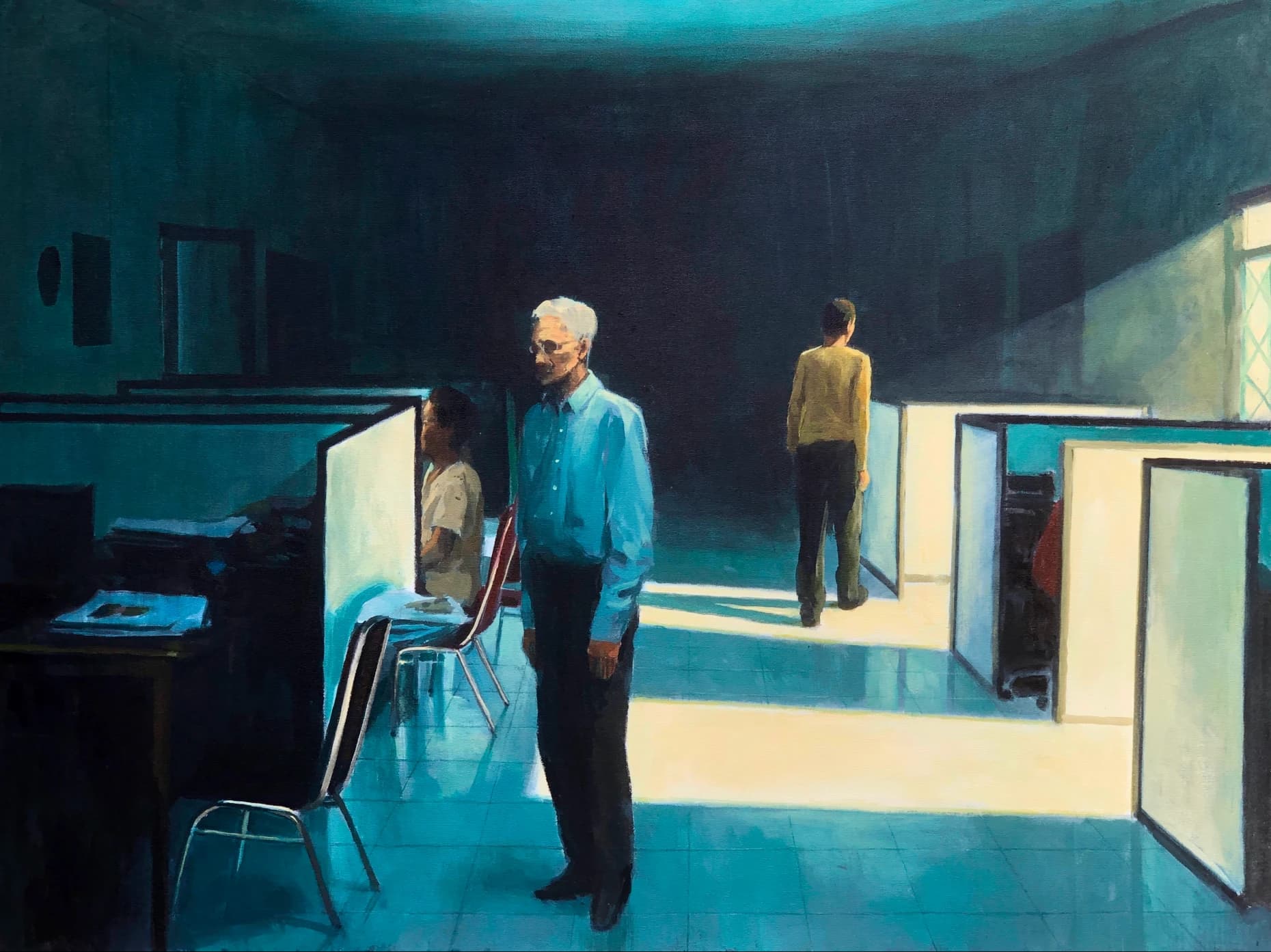
The series reflects on fleeting moments of connection like a stranger passing by, an exchanged glance, an unfinished conversation, or the presence of someone who is no longer there. These seemingly ordinary moments can leave traces that linger long after the encounter has ended.
Through distance, empty spaces, fragmented figures, and subdued atmospheres, the works examine solitude, memory, absence, and the desire for connection. The city becomes a space where countless stories exist simultaneously, yet remain largely unknown to one another.
[02]
[↓]
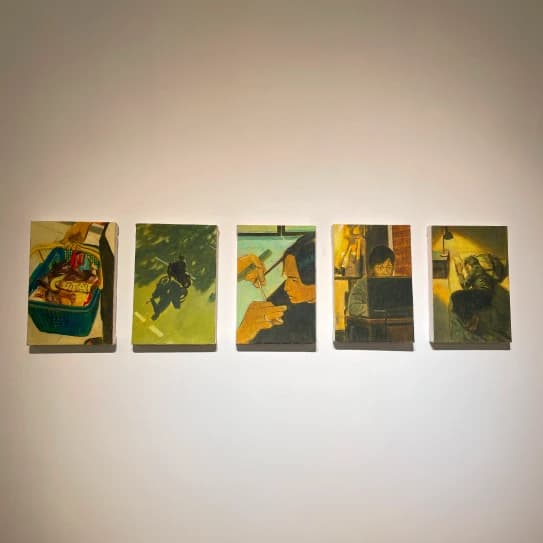
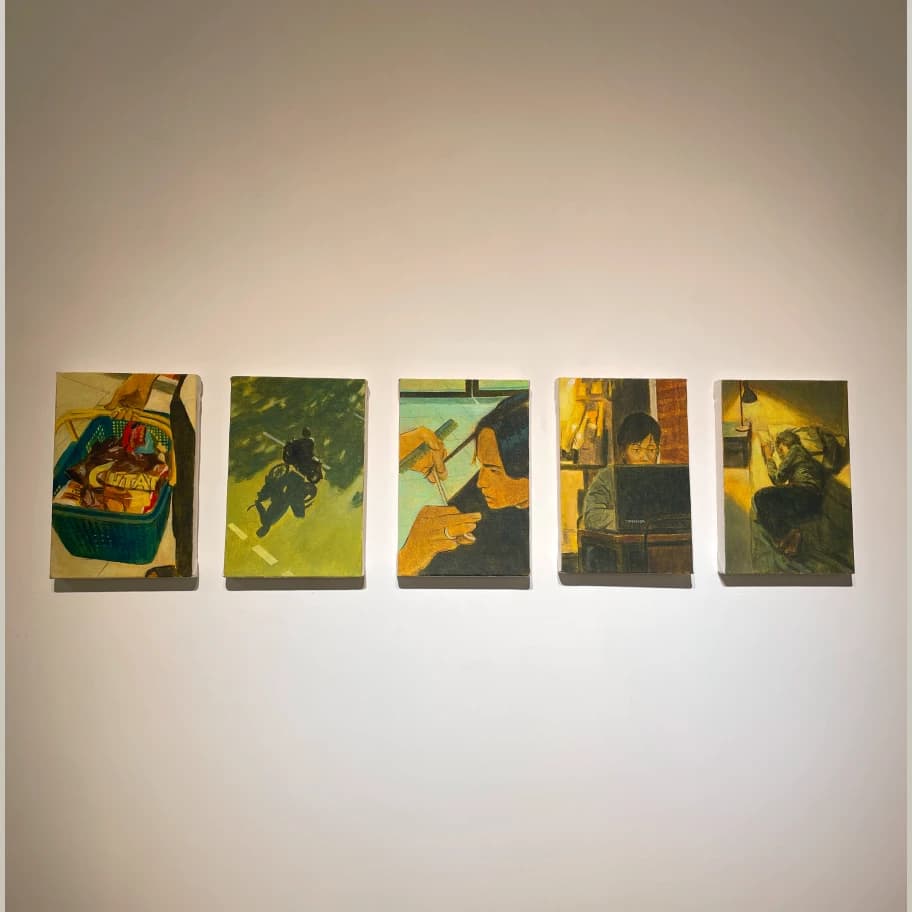
In this series, I explore the small moments that often go unnoticed in our everyday lives: brief conversations, exchanged glances, and simple interactions. Each of these moments plays an important role in shaping human connections.
Every painting reflects the subtle interactions we experience in our daily lives and moments in which words are not always necessary, and presence itself becomes the message.
[03]
[↓]
In this series, I explore the experience of alienation within the contemporary urban landscape. The city is presented not only as a physical structure, but as an emotional space where isolation and presence intertwine.
[04]
[↓]
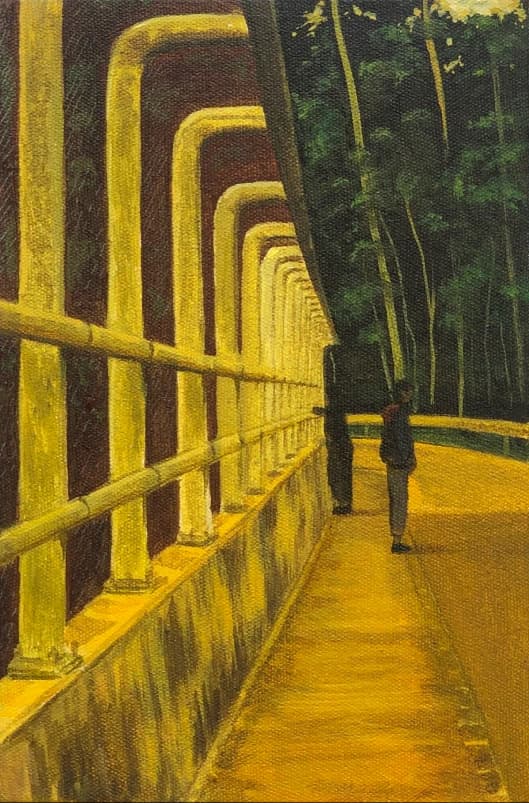
The Garden of Emptiness portrays a life in which human existence becomes increasingly faint yet present, but almost invisible or surrounded by others, yet never truly connected. It reflects a sense of emptiness where moments pass without leaving a lasting trace, and relationships exist only temporarily before fading into distance and memory.
The garden becomes a metaphor for a world filled with spaces once occupied by people, emotions, and experiences, yet nothing seems to remain permanently. Human figures appear distant, fragmented, or almost dissolving into their surroundings, suggesting an existence that is constantly passing through rather than truly belonging.
The series explores the fragile nature of presence and the uncertainty of what it means to leave something behind. In this landscape, no encounter feels permanent, no connection feels entirely rooted, and even memories seem destined to fade.
[05]
[↓]
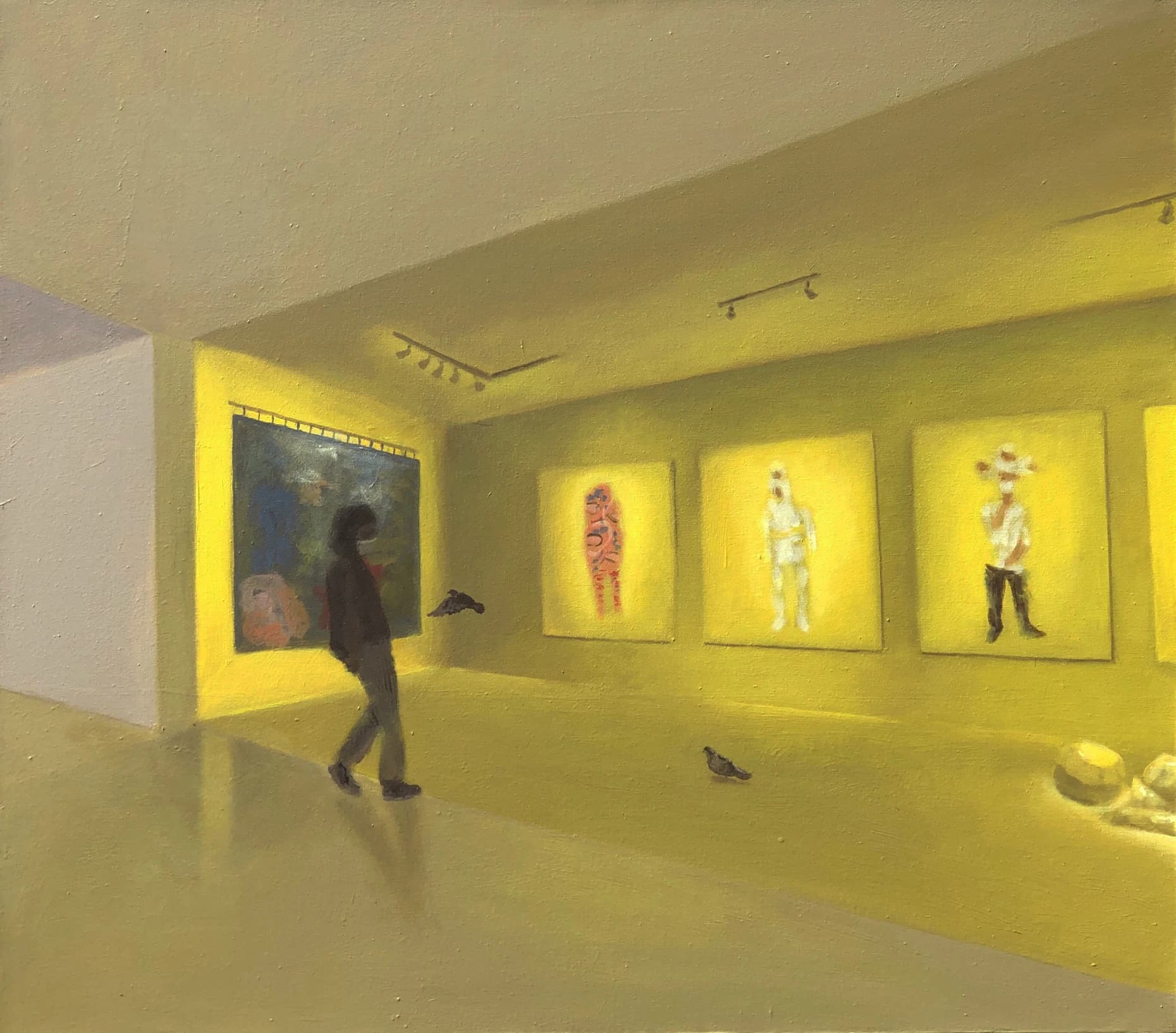
Interlude explores the fleeting moments when forgotten memories suddenly surface in the middle of daydreaming. They are not necessarily significant memories but sometimes only fragments of an ordinary place, a passing face, a particular light, a sound, or a moment that seemed meaningless at the time. Yet, when they unexpectedly return, they create a strange sense of familiarity that is difficult to explain.
The work explores the subtle disturbance caused by these fragments of memory. They appear without invitation, interrupting the present and briefly pulling the mind into another time. Like a quiet form of déjà vu, the boundary between what is remembered and what is currently experienced becomes uncertain.
[06]
[↓]
Fatamorgana explores the fragile boundary between reality and perception through a psychological and absurd perspective. The work reflects a state of mind in which the familiar world gradually becomes strange, distorted, and difficult to comprehend. Everyday spaces and ordinary encounters begin to feel ambiguous, as if reality itself is shifting according to the pressure of the mind.
The work emerges from an exploration of psychological pressure, isolation, and the overwhelming weight of existence. Under such pressure, the surrounding world can lose its sense of familiarity and logic. What once seemed ordinary becomes unsettling; what appears meaningful can suddenly feel absurd, while human presence becomes distant, fragmented, and almost unreal.
Like a mirage, the things we seek such connection, certainty, meaning, and belonging it may appear within reach, only to disappear when we attempt to grasp them. The figures and environments become manifestations of an unstable perception, caught somewhere between what is experienced, imagined, and remembered.
Through distorted perspectives and absurd situations, Fatamorgana questions the reliability of our perception and the meaning we assign to the world around us. It portrays a psychological landscape where reality does not necessarily make sense, yet we continue to search for meaning within it.
[07]
[↓]
A series that marks the early stage of my exploration into themes that continue to shape my artistic practice. Beginning with observations of everyday urban life, the series explores feelings of distance, disconnection, and the individual’s relationship with the spaces and people around them.
[08]
[↓]
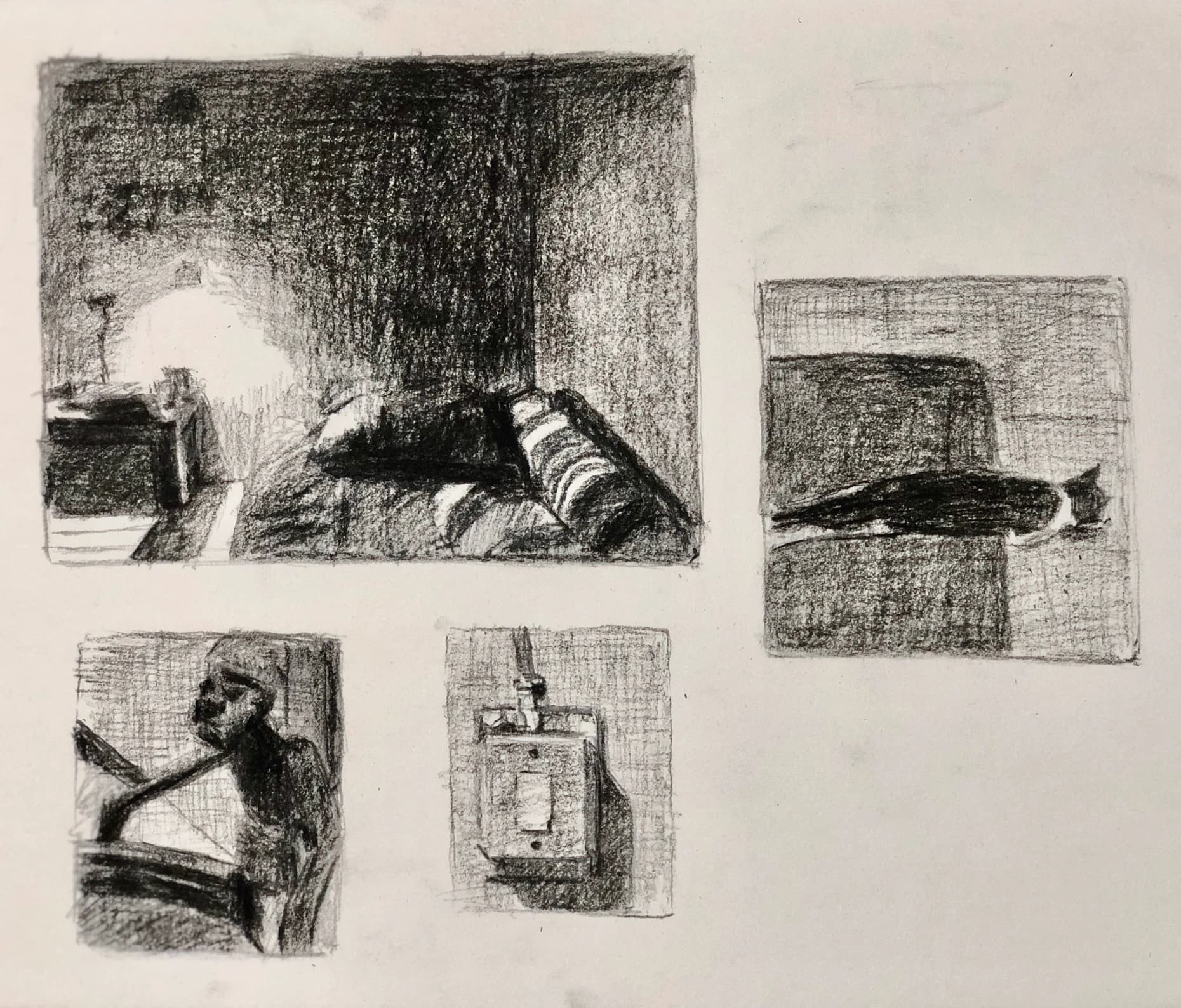
A collection of sketches, fragments, and fleeting thoughts gathered along the way. These works capture moments of observation, experimentation, and spontaneous gestures before they develop into something more defined. Some become the starting point for larger works, while others remain as personal traces of ideas, feelings, and moments that might otherwise pass unnoticed.